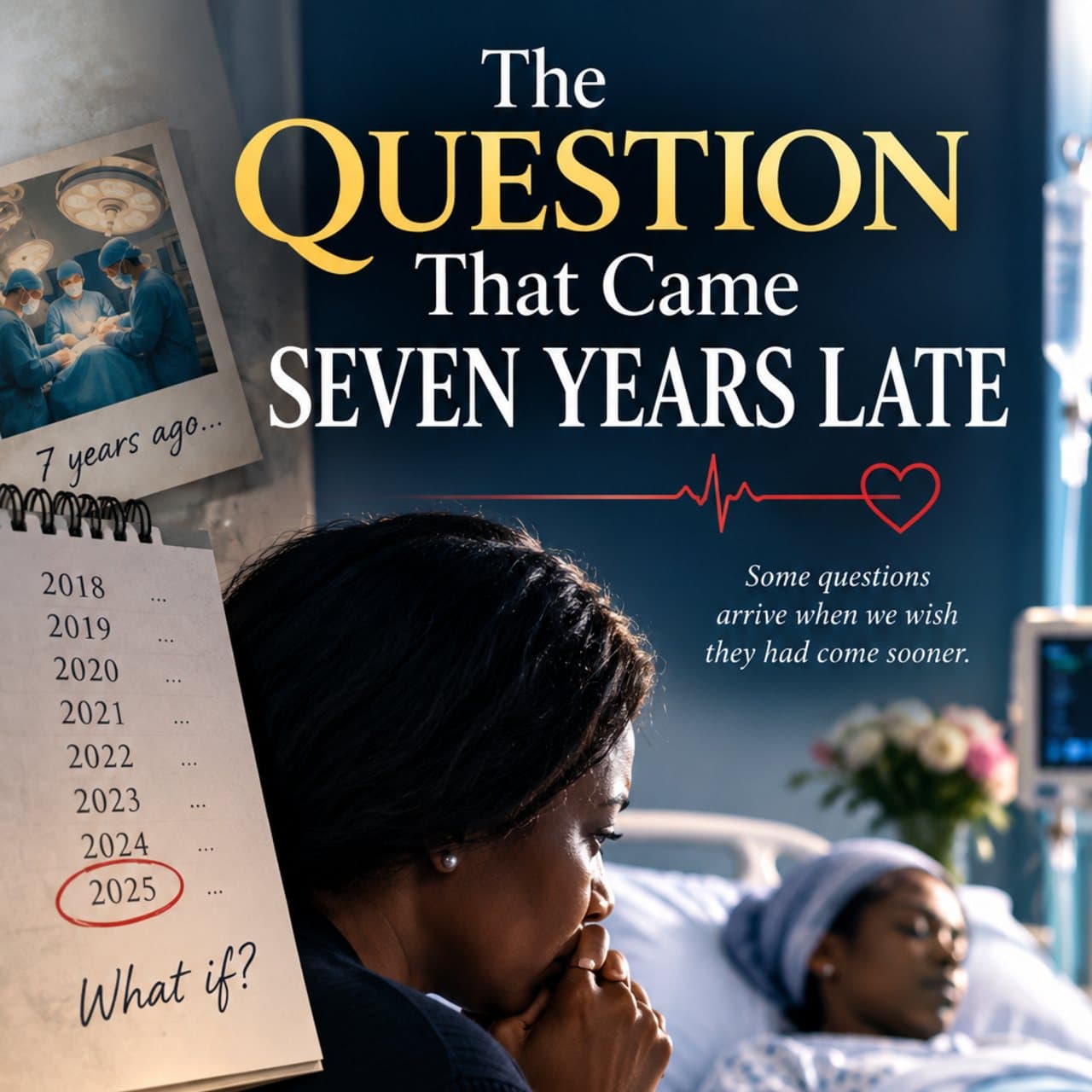
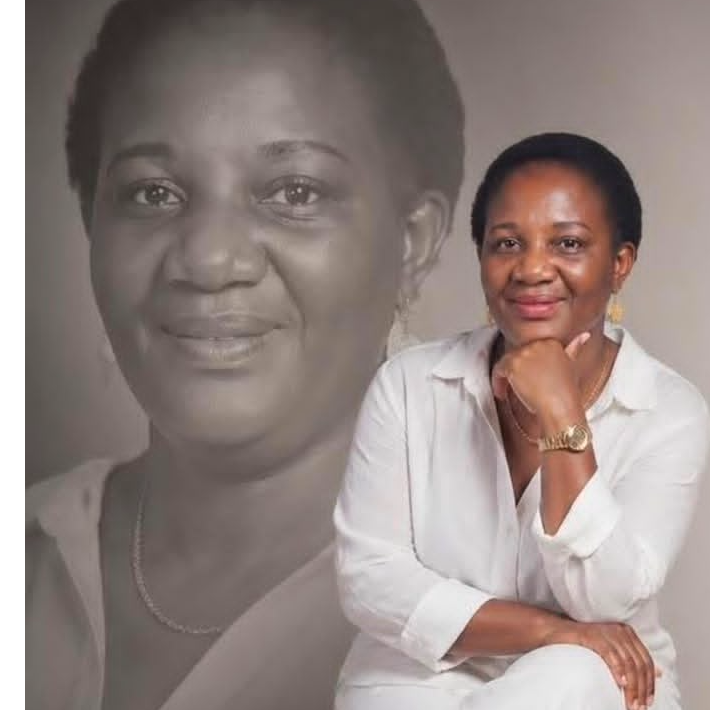
I went to the hospital today to visit my adopted daughter.
I thought I was going there simply to be with her.
I did not know I would leave carrying a question that had been waiting for seven years.
Seven years ago, she had an operation.
At the time, we believed the difficult part was over. There had been the worry before the surgery, the uncertainty of waiting, and then the relief when she came through it.
She recovered.
Life moved on.
Seven years is a long time.
People change in seven years. Children grow. Families celebrate, struggle, make plans and move forward. The things that once frightened us can become distant memories.
That operation became one of those memories.
Until the pain came.
It seemed to appear without warning.
She went back to the hospital, expecting answers about the pain. Instead, she entered a process none of us had prepared ourselves for.
Tests were done.
Then came more tests.
And eventually, the doctors gave her a diagnosis that changed the atmosphere around everything.
Cancer.
There are words you hear and immediately understand.
There are others that make you need a moment before their meaning settles.
That was one of them.
As I sat beside her, looking at the person I had known and loved for years, my thoughts suddenly travelled back to that operation seven years earlier.
For the first time, I looked at those seven years differently.
I began wondering what had happened after the surgery.
Had there been enough follow-up?
Should there have been further examinations?
Were there tests that should have been repeated?
Was there anything in the original findings that needed to be monitored?
Had we been given everything we needed to know about what should happen after she recovered?
I realised something painful.
I did not know.
And perhaps that is one of the most frightening things about being a family member watching someone you love become seriously ill—you begin searching the past for information you wish you had understood at the time.
I found myself thinking about how easily we accept good news.
The operation is successful.
The patient is recovering.
The pain is gone.
Everything appears normal.
And because life has a way of demanding our attention, we move forward.
But perhaps recovery should not always mean forgetting.
Perhaps sometimes it should mean watching.
Asking.
Checking.
Returning when we are told to return.
And asking one more question when we are unsure.
I am not saying that something was missed seven years ago.
I do not know that.
I am not saying that another test would have prevented this diagnosis.
I cannot know that either.
Cancer does not always announce itself early, and hindsight can make the past look much clearer than it really was.
But sitting beside my daughter today made me realise how important it is for patients and families to understand what happens after an operation—not only what happens during it.
What should be watched?
How often should someone return?
Which symptoms matter?
Which results need monitoring?
What should we never ignore?
Those questions may seem ordinary when everything is going well.
They may feel much more important when something goes wrong.
And that is what I kept thinking about as I left the hospital.
Seven years ago, we were thinking about recovery.
Today, we are thinking about cancer.
Between those two moments lies an entire lifetime of ordinary days.
Days when nobody knew that one day we would look backward and wonder whether there was something we should have asked.
That is the part that stays with me.
Not blame.
Not anger.
A question.
A question that came far too late.
And perhaps that is the lesson I will carry from this experience:
When treatment ends, don't be afraid to ask what comes next.
Ask about follow-up.
Ask about monitoring.
Ask what the original results mean.
Ask what signs should bring you back.
Ask even when you feel embarrassed that you are asking too many questions.
Because when everything is going well, asking may feel unnecessary.
But sometimes the smallest question can become the most important conversation you ever have.
I left the hospital today knowing that I could not go back seven years and change anything.
None of us can.
But perhaps we can take what today has taught us and carry it forward.
For ourselves.
For our families.
For the people we love.
Because there are some lessons life gives us gently.
And there are others it gives us from a hospital chair, with a diagnosis we never expected and a question we wish had arrived much sooner.
Mine came seven years late.