




In the Spotlight
Latest Stories
View AllReviews
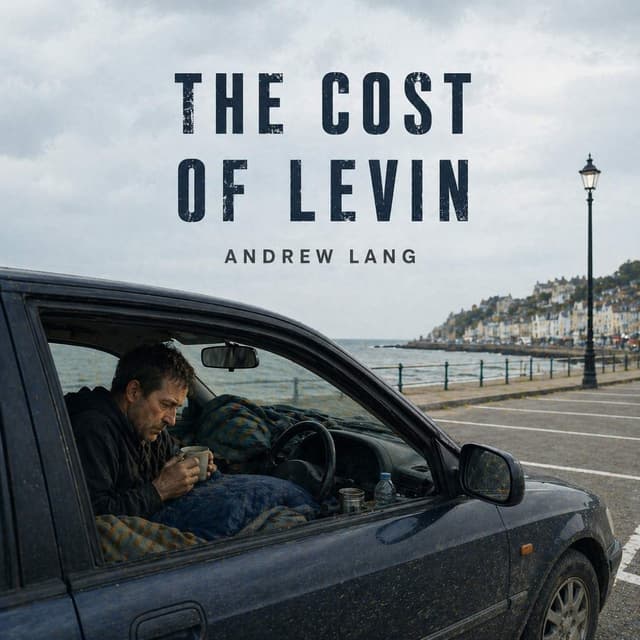
The Cost of Levin
This story thought about something I have been thinking about it personal for me to have shared it here
solomon Azubuike
The Cost of Levin
Interestingly creative, it remains of the act of survival as human
Lizdestiny's empire
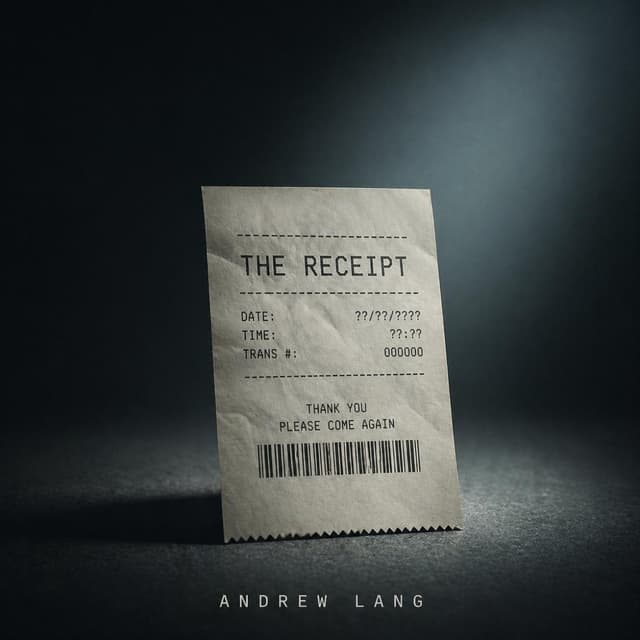
The Receipt
This has a wonderfully quiet, uncanny atmosphere. The receipt is such an ordinary object, which makes its impossible precision feel more invasive as the story goes on. I especially liked how the horror shifts from Peter trying to solve a private glitch to realizing he may only be one person in a much larger pattern. The details around the store—the humming refrigeration, the heat, the silent till—give the supernatural elements a convincingly mundane setting. The knitting group reveal is effective because it doesn’t over-explain anything; Janice’s apparent ease makes Peter’s isolation feel worse. By the later chapters, the receipts seem less like messages than a kind of narration he can’t escape, and the line “It felt like a play I wasn’t invited to be in” captures that beautifully. The ending is appropriately ambiguous and dreamlike, though I found myself wanting just a little more sense of what Peter’s relationship with Janice had become, or what exactly the receipts were doing to him. Still, the unresolved quality fits the story’s idea of being processed through events rather than controlling them. A strong, atmospheric piece with a genuinely unsettling final image.
Sophie Bennett
The Cost of Levin
The part that didn’t fully convince me was how quickly Levin’s theft became the decisive event that destroyed every remaining possibility. The Co-op incident is powerfully described as automatic and empty, and “Well. That was easy” is a chilling turning point. But the later chain—police involvement, a community resolution, the caution appearing in a background check, and Barclaycard reducing him from a £36,000 audit role to £18,500 facilities work—felt somewhat too neatly engineered toward catastrophe. I wanted a little more sense of the practical process and of why this particular caution would make him unfit for the new role, especially when Dean clearly believes in his work. Without that grounding, the story’s broader argument sometimes feels imposed on Levin rather than arising from the institutions around him. The final chapters are bleak and affecting, particularly the memories of his father fixing things, but the ending’s detailed report format also creates emotional distance just as the tragedy reaches its fullest force. Levin’s spreadsheet gives the story a strong, consistent image of control; his inability to make the numbers work is most convincing when it remains painfully ordinary.
Eleanor Hart
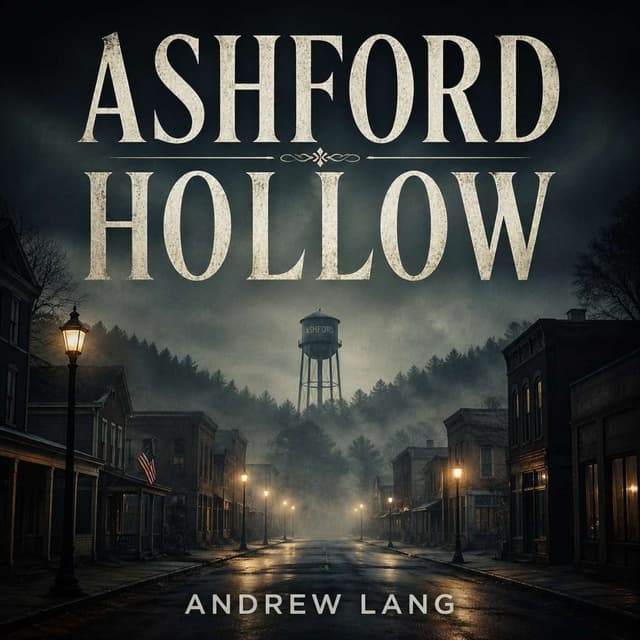
Ashford Hollow
The character work is the strongest part of this story, especially the contrast between the unseen narrator’s theatrical contempt and Len Doyle’s much more grounded, oily manipulation. Len’s interrogations have a great rhythm: he keeps pretending to be sympathetic while clearly enjoying the pressure he’s applying. I also liked how each suspect is introduced through the narrator’s cruel, hyper-specific observations, making the narrator feel both perceptive and deeply unsettling. The repeated pattern of three poisonings builds a satisfying sense of design, and the final “viral” ambition gives the killer a chillingly modern motivation—or at least a chilling desire for an audience. The prose is vivid and often very funny in a grim way, though the descriptions sometimes become so relentlessly elaborate that the victims start to feel like caricatures rather than people. I wanted a little more emotional complexity from Janice, Gary’s father, and Rachel, and perhaps a clearer sense of Len’s role beyond the interrogations. Still, the voice is distinctive, the chemistry between narrator and reader is compelling, and the ending makes the whole town feel like a stage waiting for the next performance.
Marcus Reed