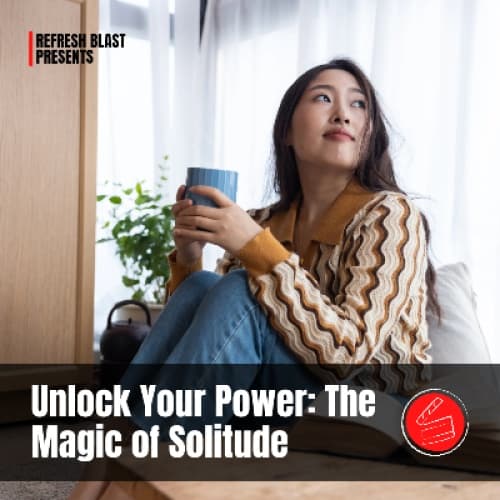

What if the secret to unlocking your true potential lies in spending time with yourself? In a world that constantly pushes us to connect, conscious solitude might just be the game-changer you need. Ready to explore how being alone can lead to incredible growth, creativity, and peace? Let’s dive in!
Loneliness vs. Solitude: What’s the Difference?
Society often tells us that being alone is a bad thing. But what if it’s actually a superpower? Loneliness feels like emptiness, while solitude feels like freedom.
Ask yourself: When was the last time you truly enjoyed your own company?
Meet Maria: From Anxiety to Inner Peace
Maria spent years seeking validation from others, only to feel more anxious and stressed. But after just three weeks of practicing conscious solitude, her brain waves shifted, and she found a calm she never knew existed.
Imagine this: What could you achieve if you stopped relying on others for happiness and started finding it within yourself?
Your Brain on Solitude: The Science of Serenity
When you choose solitude, your brain starts producing serotonin and GABA—neurotransmitters linked to lasting happiness. It’s like rewiring your brain for peace!
Fun Fact: Your brain is like a muscle—the more you train it in solitude, the stronger it gets at handling stress and sparking creativity.
Break Free from the Need for Validation
From childhood, we’re taught that we need others to feel complete. But what if that’s holding you back?
Think about it: How much time do you spend seeking approval from others? What could you do with that energy if you redirected it toward your own growth?
The Quantum Field: Where Magic Happens
According to Joe Dispenza, your consciousness extends beyond your brain into the quantum field. When you practice solitude, you consolidate your energy, making it more focused and powerful.
Picture this: What if your alone time could help you attract better opportunities, relationships, and experiences?
From Dependency to Creativity
Emotional attachments can stifle your creativity. But when you break free, you can channel that energy into your passions.
Take David, an artist who used to create only when he was emotionally turbulent. After embracing solitude, he started creating from a place of joy. What could you create if you tapped into your inner joy?
The Science of Change: Rewire Your Brain
Regular solitude helps form new neural pathways linked to self-awareness and emotional stability. Over time, you’ll find yourself less dependent on others for happiness.
Ask yourself: What would your life look like if you were completely at peace with yourself?
Your Ultimate Partnership: You and You
When you master solitude, you create a powerful partnership between your mind and your deeper consciousness. This harmony allows you to attract positive experiences effortlessly.
Imagine this: What if you approached each day feeling whole, complete, and unstoppable?
A Call to Evolve: Start Your Journey Today
Dispenza believes that embracing solitude is the next step in human evolution. By thriving independently, we contribute to a collective shift in consciousness.
Actionable Step:
Dedicate 15 minutes a day to conscious solitude. Find a quiet space, breathe deeply, and connect with your future self—the one who’s already peaceful, powerful, and fulfilled.
In Conclusion: Celebrate Your Strength
Conscious solitude isn’t about being alone—it’s about unlocking the incredible power within you. By embracing alone time, you can reshape your brain, ignite your creativity, and elevate your consciousness.
One-Liner: "The greatest relationship you’ll ever have is the one with yourself."
So, are you ready to step into your power and transform your life? The journey starts with you.
Quote to Inspire: "In solitude, the mind gains strength and learns to lean upon itself." – Laurence Sterne
Sources:
1. "Becoming Supernatural" by Dr. Joe Dispenza
2. "You Are the Placebo" by Dr. Joe Dispenza
3. "The Quantum Universe" by Brian Cox and Jeff Forshaw
4. "The Power of Now" by Eckhart Tolle
5. "Mindfulness: A Practical Guide to Finding Peace in a Frantic World" by Mark Williams and Danny Penman