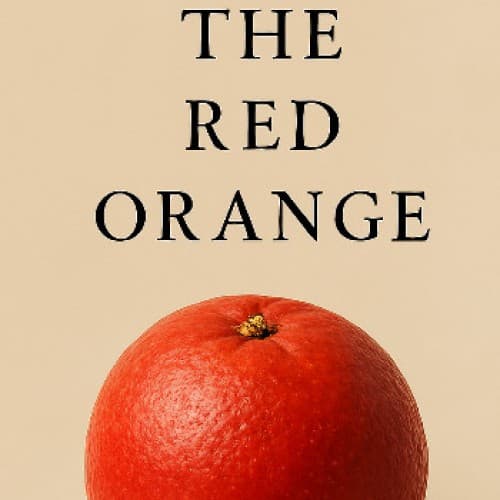

A simple gift taught me that what delights one heart may not satisfy another, and in that moment I understood that love is also about knowing the difference.
I had just come home from the market, the afternoon sun still clinging to my skin. My bag was full, but my heart was fuller. Among the vegetables and spices, I had tucked in a few bright oranges, not just for the taste, but as a small act of love. I thought she would be happy.
She was sitting by the window, her face turned toward the light. I placed the oranges gently in her lap, expecting a smile. Instead, she looked at them, then at me, and said quietly, almost apologetically, “I don’t like red oranges.”
For a moment, I was confused. Oranges were oranges, weren’t they? Round, sweet, and refreshing. I hadn’t even considered there could be a difference worth noticing. I thought the gesture itself was enough.
But as her words settled in, I realised something deeper. She wasn’t rejecting me—she was simply being herself, with her own preferences, her own small boundaries of comfort and taste. And I had missed them.
We all see the world differently. What feels thoughtful to me may not carry the same meaning for you. What I consider sweet might taste bitter in another’s mouth. What I offer with love might land as indifference if I haven’t taken the time to truly know the person I’m offering it to.
I stood there, holding the weight of that truth. It was not heavy with shame, but with awakening. I had meant well. But love, I was learning, is not just about meaning well. It’s about paying attention.
She didn’t scold me. She didn’t make me feel small. She simply told the truth, and in doing so, gave me a gift far greater than the one I had tried to give her.
Later that evening, I sat with the oranges in my hand. Their skin was deep red, almost blushing. I peeled one slowly, watching the juice gather in the creases of my palm. It was sweet, sweeter than I expected. But I tasted it differently now. Not just as fruit, but as a lesson.
Love is not one-size-fits-all. It is not a blanket gesture or a universal language. It is specific. It is listening. It is remembering that someone prefers yellow mangoes to green, silence to music, or solitude to surprise. It is knowing that red oranges, though beautiful, may not be welcome.
That night, I thought about all the times I had offered what I thought was love, without asking