
Daniel was only six months into his trading journey, but it had already consumed him. What began as curiosity during a market boom became a full-blown obsession. He devoured YouTube tutorials, trading books, and Discord chatter. Candlestick patterns blurred into dreams. He barely ate. He barely slept. He told himself that real traders didn’t need balance—they needed focus.
His friends noticed the change. "You’ve been ghosting us, man," his best friend texted. Daniel didn’t respond. He was too busy watching charts, convinced that every minute missed was money left on the table.
Three red days in a row had drained him mentally and financially. His once \$32,000 account was now hovering at \$7,200. Small losses, bad timing, and FOMO trades had chipped away at it. But Daniel wasn’t discouraged. He believed the big win was just around the corner.
That Thursday night, while scanning pre-market runners, he found SYMZ is a small-cap biotech company announcing preliminary results for a cancer treatment. The chart looked like a textbook ascending triangle. The breakout was imminent. Volume was building. He read a few Twitter threads hyping it. He felt the surge of confidence, maybe even desperation.
He went all in—options, margin, every last dollar. It was reckless, but it felt right.
On Friday’s opening, SYMZ exploded. Within minutes, it was up 42%. His \$7,200 account had doubled. Daniel’s heart pounded as he watched green candles stack. He fantasized about sending screenshots to his old friends.
Then the halt came.
SYMZ Trading Halted: News Pending.
He froze.
Five minutes later, the headline dropped: **FDA denied approval of SYMZ’s drug**.
When trading resumed, the price plummeted. It blew through his stop, his options went to near-zero, and his account was margin called before he could react.
In less than fifteen minutes, his entire account—his hope, his energy, his obsession—was gone.
The final candlestick on the 15 minute chart told the story: a towering wick both ways, long and volatile. It looked like victory. It ended in ruin.
He sat in silence for nearly an hour, staring at the monitor. Notifications buzzed—margin warnings, failed order fills, and finally: “Account balance: \$312.”
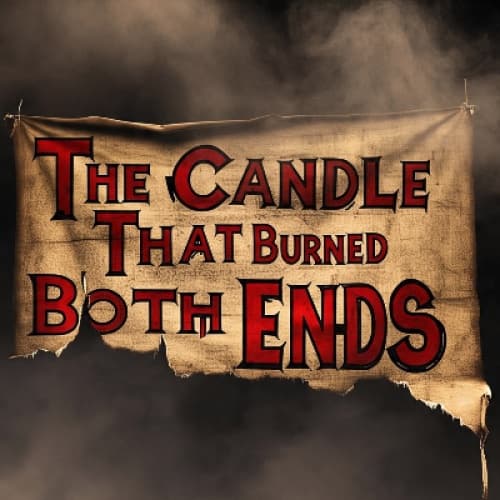
The Candle That Burned Both Ends
Daniel turned off the screen. No alarms. No tickers. No blinking green and red lights.
He stepped outside for the first time in days. The sun was warm. The air is real.
He realized then that he hadn’t been trading—he’d been gambling with discipline dressed as strategy, running on fumes and ego. He had been burning the candle from both ends, thinking he'd catch the flame.
The market hadn’t beaten him. He had beaten himself.
But maybe, just maybe, it wasn’t the end. Maybe it was the start of doing it right.