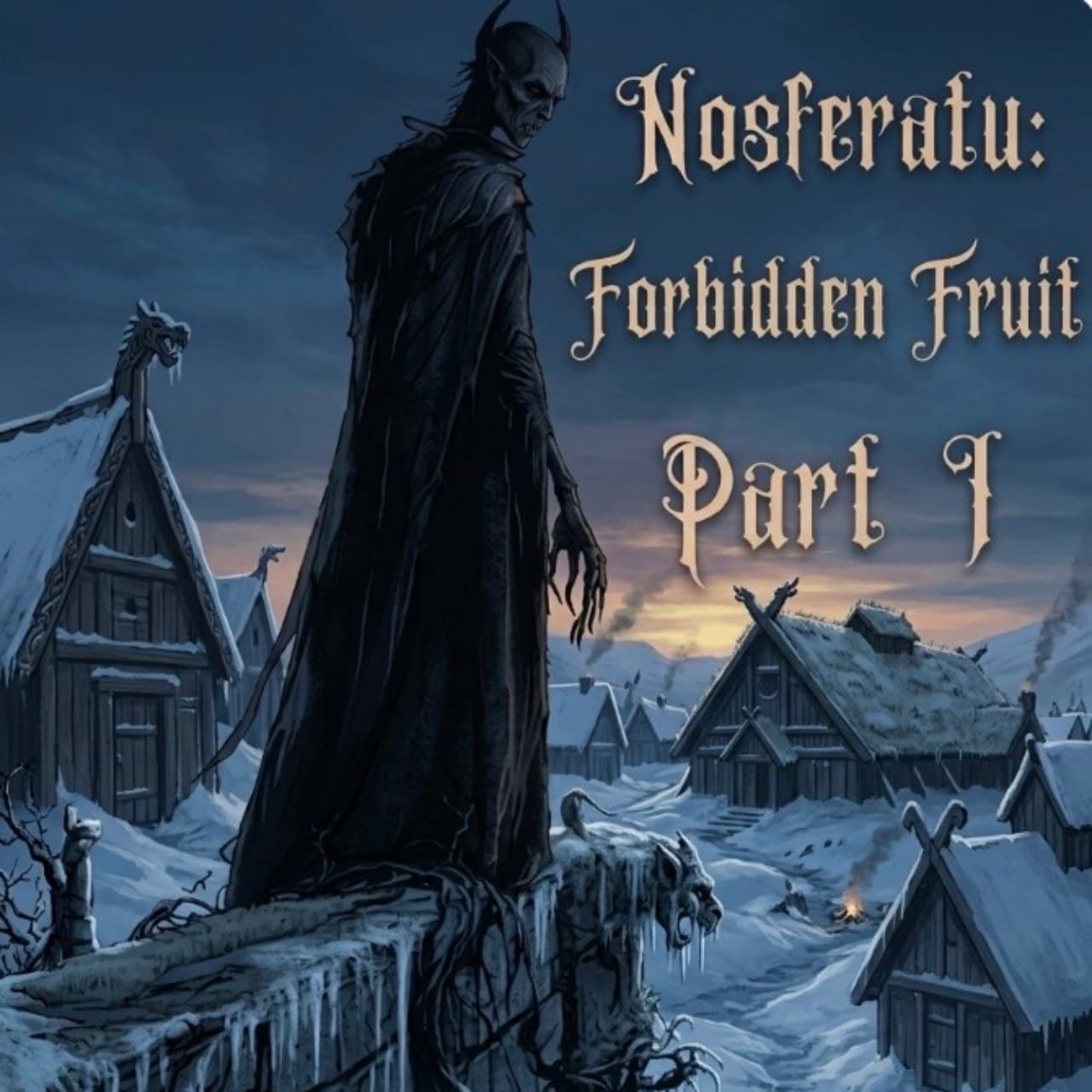

Foreword
At every hour of our lives, whether we are aware of it or not, words begin their quiet transformation. First they stir in the mind as shapeless thoughts, then gather weight in the heart, and at last descend into the world as action. What begins as a whisper can become a decision; what begins as a passing wish can become the path by which a life is altered. There is a danger in this, subtle and ancient, because so many of our choices are not born from truth but from hunger: the hunger to be admired, to belong, to matter, to be seen by eyes that might otherwise pass over us without pause.
We tell ourselves that such desires are harmless, that the longing to fit into the circle of others is merely human, and perhaps it is. Yet within that ordinary longing waits something more treacherous. A person may cross a threshold without hearing the door close behind them. A single compromise, made to impress another or escape loneliness, may seem small enough to excuse; but small things, when repeated, become ritual, and ritual becomes character. By then, the soul may already be standing in a room it does not remember entering.
The need itself is primal. To be accepted is to feel safe; to be praised is to feel alive; to be desired is to believe, if only for a moment, that one has escaped insignificance. But how we answer that need remains the terrible province of choice. Pressure does not always arrive with a raised voice or an obvious threat. More often, it comes softly, wearing the face of opportunity, friendship, romance, ambition, or rebellion. It stands beside us in silence and points toward the forbidden fruit, asking only whether we are brave enough—or foolish enough—to reach for it.
That is where human weakness reveals its most intimate shape. We are rarely undone by what we hate. More often, we are undone by what we secretly envy, what we imagine will complete us, what appears greener, sweeter, brighter just beyond the boundary set before us. To remain content while another field glows in the distance is not passivity; it is a discipline bordering on defiance. It is the courage to suspect that not every beautiful thing is meant to be possessed, and not every invitation is a doorway to freedom.
If strength is what we need most—and it is—then strength must be understood not as a sudden heroic act, but as the patient accumulation of smaller refusals. It is gained through consistency, through the repeated choosing of what is right when what is tempting seems near enough to touch. In that consistency, we may discover the only power capable of saving us from ourselves: the power to pause before desire becomes action, before thought becomes fate, before the fruit is lifted to the lips and the world, forever after, is changed.
TRAGEDY
The rush of the burbling creek, borrowed from the cold patience of the lake and sent onward toward the darker mouth of the river, seemed to carry more than water. It told tales in broken syllables: in bloops and burps, in a bright liquid clatter like small cymbals struck beneath the earth, in murmurs that slipped between stones as though speaking to something buried there. Across the flat fields, the grass bent and whispered, ripe for a wind that had not yet arrived, each blade waiting with seed and secret. The creek wound through it all with a philosopher’s indifference, silver-backed and restless, offering its thoughts only to dreamers foolish enough to sit beside it and listen too long.
Alvor had come there to quiet herself, but the place did not feel quiet. It felt expectant. The air held its breath. Even the insects seemed to pause between notes, as if afraid to complete their songs. Overhead, clouds compiled themselves in slow gray layers, and the light thinned until the world appeared seen through old glass. Taking time to clear her head, Alvor lowered herself near the water and dropped an offering of a daisy bloom into the glassy current. For a moment, the flower did not move. It trembled in place, pale and helpless, as though the creek were deciding whether to accept it.
In short, sweetly middle-toned softness, she spoke to the Goddess Eir, calling on her mercy to replenish the flowers of the creek side. Yet when her prayer ended, the silence that followed felt less like peace than answer. The water curled around the daisy. A ripple widened, then another, each ring reaching outward like an unseen hand testing the skin of the world. Somewhere beyond the fields, a branch cracked though no footstep followed it. Alvor lifted her eyes, but saw only the long grass shifting in a wind she could not feel.
There are moments when a person senses that the road behind them has already vanished, though they have not yet begun to walk forward. Alvor did not name the feeling. She gathered her many layers in hand and rose to her feet with a brisk bounce that seemed almost too bright for the hour. The daisy, at last caught by the creek, spun once, dipped its white face toward the blackening water, and drifted away. Behind her, the creek resumed its speech, softer now, more private, as though it had learned something about her and meant to carry it downstream. Alvor turned toward home and began the soft walk back, unaware that the fields had grown still enough to hear her leaving.
A strong shade clutched her heart as her initial gait changed, not all at once, but by degrees, as if the world were taking something from her with every step. The open field, which only moments before had seemed wide enough to breathe in, began to narrow behind her. The creek’s murmur thinned into a thread, then into a damp sound caught behind reeds and root-tangled banks. The grass no longer whispered from every side; it fell away in patches, yielding to thinner weeds, colder mud, and the worn track beaten by years of bare feet, cart wheels, hooves, and dragging sledges. The smells changed with the land. The clean mineral breath of running water faded first, followed by the green sharpness of crushed stems and wet flowers. In their place came ditch soil, old straw, damp wool, goat musk, cattle dung, and the tarry breath of pitch used on fences, roofs, and boats. What had been broad and living became measured and watchful. Space whittled itself down around Alvor until there was only the track before her, the dimming sky above her, and the sound of her own feet insisting she continue.
Deep inside, yet threatening to escape, was a feeling of dread. It did not rise like fear in a sudden cry. It gathered like smoke beneath a closed wooden door, darkening the edges of her thoughts before she could name it. Alvor could sense that something horrible was about to happen, yet she could only feel it, not see it. The knowing came without shape: a pressure against the ribs, a coldness beneath the tongue, the strange certainty that somewhere ahead of her the day had already turned its face away. She slowed, then quickened, then slowed again, as though her body and her instincts had begun to argue in silence. Each change in pace awakened a different sound: mud sucking softly at her soles, pebbles clicking beneath her shoes, dry seed heads rasping against her skirts like brittle fingers. Once, from far ahead, there came the long complaint of a hinge or hanging gate moving against its peg, though the wind had not yet reached her face.
The nearer she came to the town outskirts, the more the land seemed to shed its softness and remember the hand of people. The wildflowers disappeared first, then the taller grass, then the small birds that had flitted near the creek. Low fencing appeared in broken runs, woven from hazel and alder, patched with rawhide ties and leaning posts. Beyond it rose the outer shapes of the township: turf-roofed longhouses crouched low against the earth, their timber ribs dark beneath thick caps of sod; store sheds half sunk into the ground; sheep pens; a smoke-blackened smithy; stacked firewood; fish racks; and the raised prows of narrow boats drawn up from the water like sleeping beasts. The homes did not lift proudly toward the sky. They lay close to the soil as though keeping secrets beneath their roofs of grass.
From that direction drifted the smells of human habitation, but they arrived strangely thinned, as if filtered through a burial cloth: peat smoke from central hearths, old chimneyless soot trapped in roof beams, boiled greens, sour whey, drying fish, stale ale, seal oil, damp leather, hot iron, sheep fleece, horse sweat, and the sharp fat-sweet sting of tallow. Beneath all of it lingered something harder to place, a dry under-smell of cellars, stored barley, stone, bone, and old wood shut away from sunlight. No one called her name. No cart rattled past. No door opened. The absence of ordinary sound was worse than any scream, for it made every small noise her own: the scrape of her shoes, the brush of her skirts, the reluctant breath she drew and held too long.
As if moved by hormonal change, thirteen-year-old Alvor was getting used to hearing things others could not. The seeing part was coming along, yet still fuzzy and out of sequence, arriving in fragments rather than visions: a flash of red where no red thing stood, the impression of a hand on a gate, the echo of a voice before any mouth had opened. Now the township sounds layered oddly upon one another. A dog barked inside the settlement, but the bark seemed trapped beneath turf and timber, swallowed before it could finish. Somewhere a tether ring clicked against a post. A loose shield boss or cooking pot gave a hollow tick as it cooled. Far off, perhaps inside a longhouse or perhaps only in the memory of one, a woman hummed two notes and stopped. Alvor could smell smoke but saw no true plume, only thin blue threads escaping roof slits and sinking back into dusk; she could smell bread-stones warmed for flat cakes, broth, leather, dung, rain-soaked planks, and singed wool, yet the life that should have made those smells remained hidden from her.
She had thought, with the innocence of one not yet taught to fear herself, that perhaps all northern people carried such strangeness in their blood. Because of that, she had been less guarded, less concerned about whether others noticed when she paused at empty air or turned her head toward sounds that had not yet happened. But now, alone on the track as the outskirts drew near, the gift no longer felt common or harmless. It felt like a lantern lit inside her chest, and something beyond the first longhouse had seen the flame. The town waited in pieces: a crooked palisade post, a leather-hinged door hanging slightly open, a lane cut between earthen walls, the distant line of roofs tufted with grass, and smoke holes black as watching eyes.
The silence around those pieces was crowded. She heard the minute tick of cooling iron in the smithy, the soft settling of roof turf, the scrape of a loose peg, the whisper of ash collapsing in an unseen hearth, and the faint wooden knock of a boat hull against its chock. Every odor seemed to announce a threshold: peat smoke where comfort should have been, sour ale where voices should have gathered, wet stone where storage pits waited below, and beneath it all the faint coppery suggestion of something not yet spilled but already imagined. Alvor approached as though each familiar landmark of the settlement were being stripped of its comfort and returned to her as warning. By the time she reached the last stretch before the first dwelling, the world had been whittled down to a single question pressing against the silence: was she walking home, or was she being drawn there?
A slight curl of wind, early and searching, moved through the beginnings of the night and touched Alvor’s cheek with the cold delicacy of a hand that did not wish to be seen. It slipped under the edge of her loosened braid and worried free a strand of pale hair, drawing it across her mouth before passing on toward the clustered roofs behind her. The settlement had fallen into that uneasy hour when shapes remained visible but meanings began to desert them. Fence posts became bent figures. Hanging hides became watchful bodies. The dark between one building and the next seemed less like emptiness than the held breath of something waiting for her to choose the wrong path.
Alvor crossed the final stretch toward home with her shoulders drawn tight beneath her layers. The lane was familiar; she knew every rut, every leaning wall, every jarred stone that could turn an ankle if one stepped carelessly. Yet familiarity did not comfort her. It sharpened the wrongness. A place known too well becomes frightening not when it changes completely, but when it changes by a finger’s breadth: a door left ajar that should have been barred, a bucket tipped on its side, a lantern missing from its peg, a silence where laughter should have leaked through seams in timber. She paused once, listening, and heard only the far-off drag of something wooden shifting in the wind, though no wind strong enough had reached her.
The stable stood beyond the nearest longhouse, low and dark under its heavy roof, the turf above it blackened into one solid mass against the bruised sky. Its doorway opened like a mouth cut into the earth. From within came the thick smells she knew well: straw bruised under hooves, manure, warm hide, old leather, oats, damp wool blankets, and the faint sourness of hay that had taken too much weather. Usually those odors welcomed her. Tonight they arrived one by one, separated and strange, as if the dark inside the stable were naming them before letting them pass.
Then Rua whinnied.
The sound leapt out of the stall so suddenly that Alvor stopped with one foot still lifted. It was not the full, proud call he gave across pasture or road. It was shorter, caught at the edges, half greeting and half warning. A tremor moved through the boards. Somewhere in the rafters, disturbed dust loosened and fell in dry grains. Alvor swallowed, feeling the dread in her chest tighten into something smaller and harder. For an instant she wondered whether the horse had sensed what she had sensed from the field, whether he too had heard the hidden turn the evening had taken.
“I see you,” Alvor said in Old Norse, though her voice came out softer than she intended.
Rua answered by thrusting his great head over the stall-board, nostrils flaring, breath steaming faintly in the cooling air. He sniffed her hair, her cheek, the front of her dress, then pressed his broad forehead against her face with enough force to make her stumble backward a breadth. The gesture should have made her laugh at once. It always did. Tonight her laughter came late, thin at first, then warmer when he nudged her again as if impatient with her solemnity.
“Oh. Is that right?” Alvor teased the giant steed, trying to summon the bright tone that belonged to ordinary evenings.
Rua tossed his head, lips working, ears switching forward and back with comic seriousness. He made a low sound in his throat that was too close to complaint to be ignored. Alvor copied him poorly, puffing air through her lips and lifting her chin in imitation. He stamped once, not hard, but enough to make the packed floor answer. She stamped back with her smaller foot. Their foolish exchange, uneven as it was between girl and horse, loosened something in the air. For a moment the stable seemed to remember itself: the ordinary shelter of straw and flank and breath, the private kingdom where two unlikely companions understood each other better than most people understood speech.
Even so, Alvor did not turn her back on the doorway. Not fully. As she moved into the stall, the dark behind her remained present, dense and attentive. She could feel it past the boards, past the hanging tack, past the discarded fork against the wall. She could feel the whole of the settlement pressing around the stable, quiet in its houses, quiet beneath its turf, quiet in a way that made every whisper of straw sound like a footstep drawing near.
From the fold of her garment she drew the egg she had taken from one of the hen’s nests. It was still warm from her hand, the shell faintly rough beneath her thumb. She tapped it against the stall edge. The crack was small but startling in the hush. Rua jerked his ears forward. Alvor froze, listening past him, listening to the lane, to the rafters, to whatever might be listening back. Nothing answered. She broke the shell in half and peeled it with careful fingers, revealing the firm, pale body within. The smell rose gamey and familiar, sharper than she expected in the cold.
She offered the hard-boiled egg to Rua with solemn ceremony. He stretched his neck, took one investigative sniff, and recoiled with offended grandeur, shaking his head until his mane rustled against the stallboard.
“Fine,” Alvor said, allowing herself a small, aloof lift of the chin. “More for me.”
She ate quickly, though not from hunger alone. The act gave her something ordinary to do with her hands, her mouth, her body. Each bite tasted of yolk, salt from her fingers, smoke from the house air, and the faint bitterness of fear. Rua watched her with one black, glossy eye, then snorted as if passing judgment on human habits. Outside, something scraped once against wood. Alvor stopped chewing. Rua’s head lifted. The two of them held still together.
The sound did not repeat.
At last Alvor forced herself to move. She gathered a bed of straw close to Rua’s side, pulling the dry stems into a hollow with both hands. The straw sighed and crackled beneath her, too loud in the dimness. She lay down beside the giant animal, near enough to feel the heat of him through her sleeve. Rua lowered his head and nudged her shoulder, not roughly this time, but with a slow insistence that felt almost like command. Then, as if satisfied she had obeyed, he raised himself and stood facing the stall entrance, large body squared, ears fixed toward the lane.
“You see it too,” Alvor whispered, though she did not know what she meant by it.
Night finally gave in. The last dismal blue drained from the doorway and deepened into darker blue, then into a color with no name at all. The rafters vanished first. Then the walls. Then the outline of Rua’s mane, except when he shifted and caught a dull thread of the dying light. Beyond him, the open stall entrance remained a deeper square inside the dark, patient and watchful.
Alvor tried to keep her eyes open. She counted Rua’s breaths. She counted the slow settling of the beams. She counted the tiny falling sounds in the straw and told herself each one had a cause. Yet sleep came not like comfort but like a veil drawn over a face. The stable tilted away from her. The smell of hay became the smell of wet earth. Rua’s warmth became a distant fire. Somewhere, impossibly far and impossibly near, the creek resumed its broken speech in the dark.
Alvor sank into the dark, distant realms of the secret and began to dream. At first there was no ground beneath her and no sky above, only a gray-white mist turning slowly around her body, wet against her cheeks, cold along her eyelashes, and sweet with the faint, rotting perfume of crushed dandelions left too long in rain. The air tasted metallic on her tongue, like blood touched to iron, and every breath she drew seemed to enter her lungs from far away. She tried to move her hands and could feel them, yet could not see them clearly; her fingers appeared and disappeared inside the fog, pale one moment and smoke the next, as though the dream could not decide whether she was flesh or memory.
Voices came next. They did not arrive one by one, but all at once, bursting from every side of the mist in broken layers: whispers, shouts, groans, prayers, laughter bent out of shape, and urgent speech tripping over itself until no single word could be rescued from the noise. Some voices were deep as hollow barrels. Some were thin as reeds. Some sounded like people she knew from the settlement, but twisted, stretched, and ruined by distance. She thought she heard her mother’s breath before a warning, a child calling from under water, Rua’s anxious whicker, and the creek speaking in human syllables. None of it made sense. All of it felt meant for her.
Faces broke through the vapor, near and then farther, floating in ragged bursts of brightness like dandelion heads torn apart by wind. Some were familiar enough to wound her with recognition, yet none remained true for more than a heartbeat. Eyes slid too wide. Mouths blurred at the edges. Cheeks became smears of light and shadow. A neighbor’s face became a stranger’s skull; a girl she had once envied became a pale wheel of petals; an old man’s beard spread outward like frost on glass. They pressed close, each trying to speak over the others, their expressions warped by terror, warning, accusation, and pleading, yet every message drowned beneath the overlapping roar.
Alvor knew, with the awful certainty that belongs only to dreams, that if she could understand even one sentence, everything might be prevented. Something was coming. Something had perhaps already come. The thought moved through her not as language but as cold pressure, beginning in her stomach and climbing into her throat until she nearly choked. She wanted to ask them what they meant, wanted to demand whether the danger waited in the stable, in the house, in her blood, or inside the secret power she had never fully understood. But when she opened her mouth, no voice came out. The mist entered instead, damp and bitter, filling the space where her cry should have been.
Fear made her turn away from the faces, and the instant she did, a strange force gathered in the deepest chamber of her heart. It was not warmth, not exactly. It was pressure and radiance together, a hidden ember suddenly given breath. Her ribs seemed too small to contain it. Her skin prickled from scalp to heel. The hairs on her arms lifted. She felt herself become lighter, first by a little, then by more than a body should. The mist loosened from around her ankles. Her toes left whatever invisible floor had been holding them. She rose.
Higher and higher she ascended through the fog, her dress tugging below her like wet cloth dragged by unseen hands. The faces rose with her for a time, then stalled beneath her, clustered just out of reach. Only then did she see that they were attached to strange metallic wheels, vast and delicate, turning without axles in the mist. The wheels were rimmed with dull silver and dark iron, each spoke glimmering as if lit from within by a storm hidden behind cloud. They made no honest sound of machinery. Instead they sighed, clicked, and murmured like teeth tapping in cold jaws. As they turned, the faces turned with them, endlessly carried up and down, each mouth still shaping its lost warning.
Alvor understood that the lift was magic, yet the knowledge frightened her more than falling would have. If the power was hers, why did it feel as though something else had opened a hand beneath her? If she could rise by thought alone, what else might she do by accident? What if the secret inside her was not a gift from the gods, but a door? What if someone—or something—had been waiting for it to open since before she was born? The questions flashed through her in white, panicked fragments. She thought of the creek accepting the daisy. She thought of the silent settlement. She thought of Rua standing guard at the stall entrance. She thought, with sudden longing so sharp it hurt, that she wanted to wake with her cheek against straw and the horse’s living warmth at her side.
Instead, the dream listened to her fear and gave her movement. With thought alone, she directed her body toward a slight draft of air passing through the fog. It touched her skin like breath from a bellows, warm at first, then feverish, carrying the smells of peat smoke, wet earth, singed wool, and something floral beginning to decay. She caught the warmth and rode it upward. The mist streamed past her ears. The voices thinned below but did not disappear; they became a vast crowd heard through stone, a buried assembly speaking her name without ever agreeing on how to say it.
Alvor hung suspended between falling and flight, shaking with fear, dazzled by power, and lonelier than she had ever felt in waking life. Anything was possible here. That was the marvel of it. That was the horror. She willed herself down as gently as her mind allowed, wary of the plummeting, stomach-churning feeling from earlier. After she began regretting the agonizingly slow descent, she began to see shapes crystallizing in the sky—clouds distant and much like the tufts of wild cottongrass seen from barren, wind-swept grassy hillsides, where white softness was surrounded by sharp, protective leaves. Slowly, the misty clouds gave way to crying seabirds and a bruised, watercolor sky, where pale fingers of light reached out to grasp the morning. Shielding her eyes from the sudden glare of the rising sun, Alvor scanned the horizon stretching beyond the village's thatched roofs, the muddy yards with their woven willow wattle fences, and the mounds of stored hay. She scouted the gray expanse of the bay and the invitation it extended to ruthless seafarers searching for hovels to plunder.
In the distance, where a stark, jagged fishing rock met the open sea, a sudden flash of light caught her eye. It was the cold sparkle of iron boss hubs glinting off the painted linden-wood shields that adorned the sides of a sleek longship. Then a second silhouette broke through the mist. Then many more. The terrifying silhouette of a great war armada materialized. Across the water, she heard the frantic, rhythmic rattle of men rushing to drop the heavy woolen sails and bring the heavy pine oars to bear. The deep, guttural thrumming of stretched animal-skin drums echoed across the waves, accompanied by the low, chanting voices of hundreds of men—a quiet, rumbling whisper that carried the promise of death to the bay.
Afraid of losing her focus and falling into the unforgiving, frigid northern waters, Alvor levitated nearer along the shoreline. She watched in breathless horror as the boatmen picked up their iron spangenhelms, donning them alongside heavy wool cloaks that guarded their broad shoulders against the spray. Midship, near small cooking cauldrons, arrow tips coated in an oily, pitch-black liquid burst into brilliant, dancing flames when dipped into the boiling fat. Bows were drawn tight, and iron tips aligned with the morning sky. A single, sharp command flew from the chief's mouth—the Old Norse word to let fly.
The sky rained fire. Arrows hissed through the air toward the small settlement, and the dry thatch and hay caught with a violent roar. Horses whinnied in terror, while goats, sheep, and all manner of livestock began braying, bleeding, and squawking as the smoke choked the pens. In absolute horror, Alvor watched her loyal steed, Rua, bolt wildly from the smoky stable. To her shock, her own lifeless, catatonic body was hanging precariously across the horse's muscular back, her woolen dress covering caught firmly in the stallion’s teeth as he dragged her from the flames.
Piercing screams from the villagers began erupting from the various timber homes. Shouts of sheer panic and chaotic disorder answered the sudden fray. Half-dressed men and women, leaving their children hidden in the root cellars, came running out into the mud with round shields and iron swords grabbed hastily along the way. Tragically, mothers, fathers, and children trapped in the undetected, rear fires burst from their hovels already alight. They succumbed to the raging inferno only after their lungs failed, their mouths and nostrils seeming to breathe actual fire into the morning air.
Alvor shot bolt upright, nearly falling from Rua’s back in the physical world. She had returned to her flesh, yet not without every agonizing sensation of being violently yanked from the astral plane hitting her all at once. Stunned for a brief, dizzying moment, Alvor shook her head to clear the fog and remembered the terrifying vantage point she had just owned. The numbers she saw from above were an overwhelming number of blades to take on land. The surprise of the raid was enough to quell any real formation of the local Hofdingi’s soldiers, and no one would heed the frantic advice of a lowborn girl child anyhow. Her only hope was to run, hide, and save herself—unless, by some miracle, the armada could be capsized in the dangerous bay before ever reaching the shallow harbor.
Seeing her desperate opportunity, she leaned forward, whispered an urgent plea into Rua’s ear, and gripped his thick mane to steer him. The mighty steed sensed the life-or-death need to run, completely trusting the girl’s guidance. As if possessing sentient, human thought, Rua reared up, his hooves churning the dirt, and turned—sprinting as fast as his powerful legs could carry them toward the far end of the jagged fishing rock that rose high above the water's icy touch.
The narrow entrance to the natural harbor was barely one ship’s width. It was a perilous bottleneck that forced the invading longships to maneuver at a very slow, cautious speed lest they grind against the rocks or capsize one another. Alvor dismounted on the run, her boots skidding on the gravel as she beckoned Rua over to several massive glacial boulders that stood precariously atop the cliff’s edge. Turning Rua’s rear toward the stones, Alvor grabbed a long, braided hemp rope and fastened one end securely around Rua’s head and snout. Extending the other end toward the foundational rocks beneath the boulders, she gave Rua a smart, stinging slap on his hindquarter.
Tearing up the earth with his front hooves, the stallion leaned forward and kicked back with terrifying force. His iron-shod hooves struck the stone, sending one of the massive boulders flying down the steep incline. It plummeted through the air and caused a thunderous, cannonball-like splash right into the thin hull of the second longship passing through the gap. As luck would have it, the ship was struck with such devastating impact that not only was the hull instantly compromised, but the midship cooking fire overturned. The burning oil spread instantly, lighting a fierce fire wherever the liquid touched the resin-coated wood.
Men dove into each other, screaming and scrambling toward the submerged rock wall that formed the reef—the only escape from the sinking vessel. However, unable to stand above the crashing water on the slippery top of the reef, and weighted down by their heavy iron chainmail vests and hardened leather leggings, they sank like stones. They drowned miserably at the muddy bottom of the harbor entrance.
The second boat continued to burn as a beacon of ruin while the rest of its frame capsized into the channel. Buying the desperate villagers precious moments to set up a proper shield wall and provide time to flee for the noncombatants, Alvor repeated the brutal tactic three times. All the while, enemy archers from the trailing ships tried to loose arrows high enough and fast enough to take her down from the clifftop. Out of movable boulders, and feeling Rua’s nervous, high-strung insistence on fleeing the scene, Alvor leaped back aboard Rua’s back, and they bolted along the ridge toward the town.
Stuck behind the burning, dwindling wreckage of the capsized boats, and daring not to get swallowed by the deadly suction vortex created by the sinking hulls, the remaining longships held their ground behind the submerged wall. The raiders knocked their arrows, letting them fill the morning sky to land upon hapless villagers and anyone else caught in the fiery maelstrom of the beachhead.
Few in number, yet further enraged and blood-excited by a village that actually fought back, the premier longship managed to beach itself. Carrying fifteen battle-hardened marauders, the men picked up their bearded axes, sax knives, and heavy wooden shields, leaping out into the surf as soon as the water was shallow enough to wade. Three of their own bowmen stood at the shoreline, arrows knocked and ready, as a hastily assembled village shield wall parted just enough on the hill to let the defenders volley their own arrows.
A shore and a steep hill away from the docks, the local defenders looked down upon the invaders. Those standing lock-step in the shield wall knew they would get only three shots before they were arms-deep in bloody melee combat. With the fifteen marauders scrambling up the slippery water embankment and onto the wooden docks, three sharp whistles cut through the air. The deep, guttural grunt of one marauder sounded the first blood of the attackers, followed by a heavy splash as he tumbled back into the tide. Shouts and wild, animalistic snarls rushed from the attackers' mouths. Then, another piercing scream was let out—this time an arrow tore through a marauder’s neck, spraying the man next to him with a dark red, arterial hue. Temporarily blinded, the sprayed raider wiped his face, only grinding the viscous, warm liquid into his eyes as it painted his tears a horrific crimson. The final arrow of the first volley embedded itself deep into a foe’s sword arm, forcing him to drop his weapon and take cover behind a timber pile to tend the wound.
Four down, eleven to go, thought the fierce shield-maiden leading the village defense.
The remaining marauders quickly gained their footing on the planks and now focused on breaching the hill. They advanced in a tight, overlapping line. Shields split with a deafening crack as a second volley of village arrows was loosed. This time, an arrow caught an attacker clean through the eye, another transfixed a throat, and a low hip shot dropped a third into the dirt and splintered wood.
One more shot and they will be upon us, the shield-maiden thought, her heart hammering against her ribs like a trapped bird.
Arrows were knocked and loosed in a final, breathless instant. One hit a shoulder—slowing but not incapacitating the brute. Another struck a mouth, shattering teeth and disrupting the man's breathing passageways in a spray of white and red. A third pinned a marauder's foot clean through to the dock's floorboard.
Six left, the shield-maiden thought hopefully. We are ten.
"Swords ready!" she shouted, her voice echoing over the roar of the fires.
Cresting the hill, the defenders' round shields interlocked perfectly, creating a sloping, impenetrable wall of wood and iron from the top of their rims down to the marauders' muddy footing. The surviving raiders rushed the incline, their heavy swords slashing wildly, striking the linden wood to no avail. Through precisely cut v-notches in the shield rims, the defenders suddenly forced their long iron swords out like deadly spikes, threatening to impale any unlucky enough to press too close. Slipping on the blood-softened dirt of the embankment, one marauder stumbled forward; a defender's blade flicked out, leaving his jaw dangling uselessly by his collarbone. Another raider fell beside him, crumpled into a breathless heap at the bottom of the slope.
Four furious marauders rushed the wall simultaneously, throwing their entire body weight against the flank and pushing back two young defenders on the end just enough to gain a bloody foothold.
With ten shield-bearers still standing, the shield-maiden yelled the tactical command: "Circle!"
Instantly breaking the line to reform, the defenders interlocked their shields into a tight, defensive ring. Moving shoulder-to-shoulder, they began to run in a rapid, spinning wheel. They kept their pace fast enough and their swords flashing out at different, unpredictable angles to strike the now-defenseless four raiders attacking the perimeter. If their swords didn't find flesh, the heavy iron bosses of their shields met the marauders’ counter-attacks, parrying the blows while dealing many breaking, slashing counters to the raiders' ribs and limbs.
The shield-maiden lifted her blood-slicked sword as the last of the fifteen marauders fell into the mud, and she exclaimed to the heavens, "Odin is with us!"
The remaining defenders raised their weapons, shouting bloody praise and glorious victory into the smoking sky.
Just then, Rua came thundering around the bend of the hill, bearing Alvor safely on his back. Slowing to a hard, sliding stop near the crest, Alvor jumped down, the adrenaline in her veins causing her legs to buckle so that she nearly fell from the height.
The shield-maiden, barely breaking her battle trance, looked at Alvor and then instantly shouted a harsh order to two large, braided-headed thralls standing near the heavy ropes anchored to the hillside.
She pointed toward the valley path below and said, "Wait until the next wave is deep in the circle of the valley. Then cut the ropes."
A grim nod of silent agreement was all she received from the large men, yet for now, it was enough. The trap was set.
The agonizing wait was over. With vengeful fury pumping through his veins, the marauder chief on the river stood at the bow of the next incoming vessel. He bellowed the final order to push hard toward the land, intentionally letting the villagers see the sheer, overwhelming size of his remaining numbers. The massive warboats began to filter one at a time through the narrow, boulder-choked entrance, showing off the first five of the secondary wave.
In typical raids, displaying such a massive fleet was a psychological tactic. It was easily meant to force a village to surrender its silver and cattle without a single loss of life or a blade crossing. But this morning, the rules of engagement had changed. This time, the terrifying display was meant to show the coastal settlers their absolute doom before it actually arrived.
Standing tall at the prow of the leading longship, his eyes locked onto the beachhead, the marauder chief waited until the hulls scraped the shallow gravel. On his explosive command, the chief roared the Old Norse word for the shoreline: "Strönd!"
As one singular, terrifying beast, hundreds of men cried out a blood-curdling war yell. They raised their weapons and advanced forward into the surf.
Up on the ridge, the lead shield-maiden watched the heavy vessels crowd into the bottlenecked channel. Calmly, she raised two fingers of her off-hand into the smoky air, pausing for a fraction of a heartbeat, and then gently let them drop.
Deep within the hidden defensive trenches, the two massive, braided-headed men threw their weight into the iron cranks of two wooden windlass wheels. The thick gears groaned under the immense strain. Cooperating in perfect rhythm, the large men forced a colossal, heavy-corded net—completely pre-soaked and coated in thick, flammable whale oil—to rise rapidly from the dark depths of the harbor entrance, trapping the ships inside the bay.
Seeing this massive trap spring to life, groups of five village shield-maidens instantly surrounded each of the cranking thralls, interlocking their shields to form a protective roof over the men to guard them against any desperate, incoming arrows.
Meanwhile, the main shield-maiden picked up a heavy yew war bow. She knocked a broadhead arrow, leaning the iron tip close enough to a prepped stone cistern roaring with pitch-fire until the oily fibers caught a bright, hungry flame. Raising the bow completely level with the top rim of the oil-soaked net, she drew the string to her ear and let it fly. The burning missile hissed across the sky. The moment it touched the surface, the oil exploded into a towering wall of catastrophic inferno, turning the harbor into a floating furnace.
The look that flashed into the eyes of the chief boatsman, Oel, was one of absolute, terrifying certainty. He knew the ship was a death trap. Working with frantic speed, he sliced through the leather straps of his metal chest armor and heavy iron leggings, stripping himself down to bare wool. He dove backward into the churning harbor waters, seeking to find the absolute bottom of the great net where he might find a gap to escape through.
Pitch darkness was all that greeted him as he swam past twenty feet down into the cold, murky deep. By the time his hands finally grazed the rocky floor at a crushing fifty feet down, the dim light from above revealed a hopeless reality: the weighted bottom of the great net was pinned flush against the seabed.
Swimming blindly and frantically around the rough perimeter, the crushing feeling of suffocation began to creep over his chest. His lungs burned for air. Grabbing his iron sax dagger from his belt, he began hacking wildly at the heavy, oil-logged cords. Every single agonizing second he spent without taking a breath forced him to cut away just a few more fibers of the thick rope. Struggling like a trapped cod caught in a hemp gill net, his vision began to blur. In a final, desperate gamble, he blew the remaining, stale air out of his lungs to shrink his chest cavity, and then violently squeezed his body through the jagged hole he had cut.
The barrier was behind him. The net was anchored tightly up against a jagged underwater cliff face with a raging ceiling of fire burning on the surface directly above, yet through sheer brute will, he had managed to move through to the open side.
But underwater, his body could take the deprivation no longer. One big breath was all his burning chest needed. Believing he had cleared the surface, he launched himself forward with a powerful kick. In one single, catastrophic moment, he opened his mouth and took in a lungful of cold, stagnant water.
Choking violently, the agonizing pain of immediate asphyxiation crushed his trachea and crumpled his chest. As his oxygen-deprived brain began to misfire, a heavy, welcoming blackness set in. His convulsing, drowning body finally came to a rest on a cold, stony floor within a small, pitch-black underground sea chamber.
An agonizing eternity passed. Then, as if his back had been snapped in half, his body violently revolted. He began heaving up dry, wretched, stagnant seawater, gasping and retching for what felt like hours while his heart thumped like a war drum against his ribs.
Lucky not to choke to death on his own vomit, the chief boatsman, Oel, lay shivering on his right side in the absolute dark. His mind spun in a daze, wondering how on earth the Gods had spared his life. He thought perhaps the trickster Loki had played a cruel, mocking joke on him. Was he actually alive, or had the glorious halls of Valhalla simply refused to welcome him among the honored dead?
By the agonizing tightness lingering in his lungs, and the foul, unmistakable smell of human defecation from his own loosened bowels surrounding him on the cold stone, he highly doubted he had crossed over to the afterlife yet. He was still in the world of flesh and blood, trapped beneath the very village he had come to destroy
The surface of the harbor was a roaring, inescapable hell. The oil-soaked net had done its grim work perfectly. It trapped the primary wave of longships within a shifting cage of fire. The resin-coated pine of the hulls caught instantly. The fire turned the proud vessels into floating pyres. Tar and pitch melted from the seams, sizzling violently as they dripped into the boiling sea. The beautiful, painted dragon prows that had once struck fear into coastal villages now cracked and collapsed into the ash.
A heavy, choking blanket of black smoke coalesced the narrow harbor entrance. The soot completely blotted out the pale morning sun. Through the dense cloud, the desperate screams of hundreds of men echoed off the surrounding cliffs. Raiders became living torches. They stumbled over oars and collapsed across the burning decks. Many chose to leap over the port side railing into the water below. However, the boiling oil floating on the surface offered no safety. It ignited the wool cloaks and leather tunics of any man who tried to surface for air.
Up on the ridge, the village defenders stood in absolute silence, watching the total ruin of the vanguard. The two large men stepped away from the windlass wheels. Their muscles were slick with sweat and blackened by soot. The shield-maidens slowly lowered their round shields. They looked down at the fiery maelstrom with grim, unblinking satisfaction. There was no glory in this kind of slaughter, but it meant survival. The narrow bottleneck that the marauders had counted on to control the harbor had become their graveyard. The burning wreckage of the first five longships now sat wedged tight against the submerged reef. This created a solid, blazing wall of timber that completely blocked the path for the rest of the fleet.
Out in the deeper water of the bay, the remaining boats of the armada ground to a sudden, chaotic halt. The chiefs of those trailing vessels shouted frantic orders to reverse the oars. They backed away from the suffocating heat and the blinding smoke. The sheer size of their numbers was now a massive disadvantage. The boats bumped and scraped against one another in the crowded channel. The marauder chief stood at the prow of his distant flagship. He stared through the haze at the sudden, complete destruction of his frontline. The easy victory he had planned had vanished in a single flash of fire. He was left staring at a village that refused to burn without lighting a fire of its own.
The pitch-black darkness of the underground cavern pressed down on Oel like a heavy wool blanket. Every breath he took was an agonizing struggle. His throat burned with the harsh, stinging taste of swallowed saltwater and old vomit. He sat completely still on the cold, slime-covered stone floor. He held his breath for a moment to listen. Above him, through twenty feet of solid bedrock, he could hear a deep, terrifying thrumming sound. It was the muffled roar of the blazing oil net burning on the harbor surface.
Slowly, the freezing air inside the small chamber began to change. The intense, unnatural heat from the fiery inferno above was baking the stone roof. Thick, heavy drops of condensation began to break free from the ceiling, splashing onto his bare, shivering shoulders. The damp stone walls around him began to sweat. They grew warm to the touch as the harbor above turned into a boiling cauldron. Oel reached out blindly into the blackness, his rough hands scraping against the jagged rock wall to steady his trembling body.
His fingers suddenly brushed against the cold, iron hilt of his sax dagger. The weapon was still securely tucked into his belt. The familiar weight of the blade brought a small spark of hope to his chest. He was a Norse warrior, not a fish to be drowned in a dark hole. He carefully dragged his bare feet across the cavern floor, feeling for any changes in the rock. The floor beneath him began to slope upward, rising away from the deep water pool he had crawled out of.
As he scrambled higher up the slippery incline, a tiny glint of light caught his eye. It was not the golden light of Valhalla. It was a faint, flickering orange glow peeking through a narrow, jagged crack in the far wall of the chamber. Oel pressed his face tight against the opening. He drew in a sharp breath as the unmistakable smell of dry wood smoke and roasting goat meat hit his nostrils. He was looking directly into the deep cellar of a village longhouse.
Oel gripped the horn hilt of his sax dagger. The iron blade scraped loudly against the ancient stone. He shoved the point deep into the narrow rock crack. He threw his entire body weight against the handle, using the tool as a lever. The rock groaned, splintered, and finally gave way with a sharp crack. A large chunk of the cavern wall tumbled forward, crashing onto the dirt floor of the dark cellar.
Oel squeezed his broad shoulders through the new opening. He tumbled into the dim room, landing on his hands and knees in the soft soil. The air here was thick with the scent of stored turnips, dried fish, and stale sweat. He stayed low to the ground, holding his breath and raising his dagger to strike.
Through the shadows of the longhouse cellar, a sharp gasp echoed. Oel squinted through the gloom. He saw a huddle of frightened figures cowering behind several large ale casks. It was not a group of armed defenders. It was the village noncombatants—terrified children, old men too frail to hold a shield, and mothers clutching infants to their chests. They stared at the mud-covered, wild-eyed marauder as if he were a draugr rising from the grave.
Before Oel could move or utter a threat, a small hand gripped a heavy iron frying pan in the darkness. A young woman stepped in front of the children, her knuckles white as she raised the makeshift weapon. Above them, the heavy timber floorboards of the longhouse rattled as the battle outside continued to rage.
The young woman lunged forward from the shadows with a desperate scream. She swung the heavy iron frying pan directly at Oel's head. Oel’s warrior reflexes took over instantly before his mind could process who she was. He ducked his head low. The iron pan whistled harmlessly through the air, smashing into the timber support post behind him with a loud bang.
On pure instinct, Oel drove his shoulder hard into the woman’s chest. The impact threw her backward into the heavy ale casks, shattering the aged wood. But the fight in the cellar had instantly erupted into total chaos. An old man, his hands trembling but determined, charged out of the dark corner with a rusty wood-chopping axe. At the same time, two young boys threw themselves at Oel's legs, biting and scratching at his bare skin like wild animals.
Oel lashed out blindly to defend his life. He swung his heavy arm, his fist striking one boy hard across the jaw to send him flying into the dirt. He spun around just as the old man’s axe came down. The rusty blade grazed his shoulder, drawing a thin line of bright red blood. Enraged and trapped like a cornered beast, Oel lost all control. He drove his sharp sax dagger upward. The iron blade sank deep into the old man's chest.
The old warrior collapsed into the dirt without a sound. Screams of pure horror filled the small cellar as the remaining mothers and children scrambled back into the dark corners. Blinded by fear and adrenaline, Oel saw every single moving shape as a lethal threat. He lunged forward through the shadows, his blade flashing in the dim orange light.
It was over in a matter of heartbeats.
A heavy, suffocating silence fell over the dark room, broken only by the sound of Oel’s ragged, dripping breaths. The iron dagger slipped from his slick fingers, landing with a soft thud in the blood-soaked mud. As the red mist of battle finally cleared from his eyes, Oel looked down at the floor. His heart shattered.
These were not warriors. There were no swords or shields here. He had slaughtered helpless children, frail elders, and desperate mothers. According to the ancient laws of Odin, there was no honor in killing the defenseless. By butchering these noncombatants, he had sealed his eternal fate. The golden, gleaming gates of Valhalla were closed to him forever. He would never feast with the Allfather. When he died, his soul would be dragged down to the frozen, miserable depths of Niflheim.
A cold panic seized him. He could not stay here. He scrambled up the wooden cellar steps, bursting through the floor hatch into the empty longhouse above. He ran out into the smoky yard, his eyes scanning the chaos until they landed on a magnificent, powerful horse tied near the ridge. It was Rua.
Oel rushed the beast, slicing the hemp hitch-rope with a stray knife. The stallion reared up, sensing the thick scent of blood on the man, but Oel used his massive strength to leap onto the horse's back. He dug his bare heels into Rua’s muscular flanks. The horse bolted, tearing away from the burning village and disappearing into the thick forest.
Minutes later, an uneasy feeling drew Alvor back toward the longhouse. Her mystical senses pricked at the back of her neck like cold needles. She stepped into the quiet building, her eyes instantly landing on the smashed, open cellar hatch.
"Hello?" she called out, her voice trembling as she descended into the damp darkness.
She reached the bottom step and stopped dead in her tracks. The thick, metallic smell of fresh blood hit her nose before her eyes could even adjust to the gloom. As she looked across the dirt floor, her breath caught in her throat. The entire group of hidden villagers lay completely still in the shadows. The slaughter was absolute.
The metallic stench of fresh, warm blood rolled out of the open cellar hatch like a physical blow, thick enough to coat the back of the tongue. Alvor stumbled backward out of the longhouse, her face pale as ash, her chest heaving as she let out a fractured, piercing wail that tore through the smoky morning air. Hearing the young girl’s agonizing cry, the shield-maiden and the remaining village defenders broke away from their watchful posts at the ridge, their boots pounding heavily through the churned, blood-slicked mud of the yard. They burst into the longhouse with swords half-raised, expecting to find a lingering pocket of raiders. Instead, they found Alvor pointing a trembling, dirt-stained hand toward the dark square in the floorboards.
The shield-maiden was the first to descend, her iron-shod boots clattering slowly down the wooden steps, followed closely by the two large, braided-headed thralls. For a few heartbeats, the only sound from the darkness below was the heavy, rhythmic dripping of liquid pooling in the dirt. Then, a low, animalistic groan of absolute despair broke from the shield-maiden’s throat.
When the men stepped down beside her, the collective horror that gripped the defenders was a heavy, suffocating weight. The two giant thralls, men who had just unblinkingly crushed an invading longship with a multi-pronged attack, fell instantly to their knees. One of them buried his face in his calloused, soot-blackened hands, his massive shoulders shaking with violent, silent sobs. The other man reached out blindly, his fingers brushing the cold, small hand of a boy he had taught to fish just days prior. The fierce, victorious adrenaline that had hummed through their veins after defeating the marauders on the beachhead vanished, replaced by a hollow, paralyzing grief that made their iron weapons feel impossibly heavy.
"They are all gone," the shield-maiden whispered, her voice hollow, stripped of all the fiery authority it had possessed on the hill. She stood entirely still, staring at the tangled heap of her people—the elders, the mothers, the children who were supposed to carry the village’s memory into the next generation. "There was no glory here. This was not a warrior's work. A monster walked through this dark, and the Norns have spun a thread of pure black for us this morning."
The defenders slowly filed back up into the dim light of the longhouse, their faces hollow, looking like walking corpses themselves. They looked at Alvor not with anger, but with a terrifying, unblinking pity that chilled her to the bone. The older thrall looked at the girl, his eyes rimmed with red and wet with tears, and spoke in a low, gravelly voice that sounded like grinding stones. "The Gods have turned their faces from this place, child. When a home is cleansed of its innocence, the land itself becomes cursed. Those who survive such a slaughter are never permitted to simply live. They are marked by the shadows."
His words hung in the smoke-thick room like a death sentence, heavily foreshadowing the dark, inescapable tragedy that lay ahead for Alvor. The slaughter in the cellar was not just an end for the villagers; it was the catalyst that would forever alter her destiny. She could feel the heavy, invisible hand of fate pulling her away from the warmth of human companionship and pushing her toward a lonely, blood-stained path of vengeance and ancient, forbidden darkness. The forbidden fruit of her power had allowed her to save the harbor, but it had left the heart of her home completely unguarded, sealing her fate to become a creature of the night, forever haunted by the screams of the defenseless she was too late to save.
The air in the settlement grew heavy with the smell of death and wet ash. The joyous cheers of winning the battle on the beachhead were completely gone. Now, only a hollow silence remained. The villagers had to perform a grim and sacred task. They had to prepare a mass funeral for the helpless victims of the cellar slaughter.
Consistent with authentic Viking custom, the preparation was deeply spiritual and filled with ritual.
. The women who survived cleaned the soot and blood from the bodies using water from the fjord. They carefully dressed the dead in their finest, unsoiled kirtles and woolen tunics. Because so many of the dead were children and elders, the mood was incredibly heavy. The villagers did not have enough individual burial ships for fifteen people. Instead, the thralls used horses to drag a large, old cargo boat up onto the rocky shoreline. This ship would serve as their collective vessel to the afterlife.
The men built a massive funeral pyre beneath and around the ship. They stacked heavy logs of split pine and birch, packing the dry wood with straw and tar. They placed the bodies gently inside the hull of the boat. Beside the old man, they laid his iron wood-axe so he would not enter the next world empty-handed. Near the children, they placed small wooden toys, clay beads, and food offerings like hazelnuts and dried meat to sustain them on the long journey to the halls of the dead.
As the sun began to dip below the jagged cliffs, casting long, bloody shadows across the water, the entire village gathered in a circle around the ship. The shield-maiden stepped forward holding a high-blazing pine torch. She raised her face to the darkening sky and began to chant an ancient Old Norse galdr—a ritual song for the dead. Her voice trembled with deep grief as she called upon Hel, the guardian of the underworld, to watch over the innocent souls who could not enter Valhalla. With a solemn nod, she thrust the torch into the tarred wood.
The fire caught instantly. Hungry orange flames raced up the sides of the pyre, crackling fiercely as the wood turned to ash. The black smoke billowed upward, carrying the spirits of the slaughtered villagers into the gray sky.
Alvor stood at the very front of the crowd, her face illuminated by the roaring heat of the pyre. Her eyes were red, but they were no longer leaking tears. They were filled with a cold, terrifying resolve. She stepped toward the heat of the fire, drawing her sharp iron sax knife from her belt. The crackling flames reflected in the dark metal of the blade.
With a swift, practiced motion, Alvor pressed the sharp edge of the blade against the palm of her left hand. She sliced deep enough to draw a thick line of dark red blood. She let the warm liquid drip down into the dirt right at the edge of the burning funeral pyre, blending her lifeforce with the ash of the dead.
She raised her bleeding hand high toward the sky, looking at the grieving defenders. Her voice cut through the roaring sounds of the fire like a sharp crack of thunder.
"By the blood of my kin and the ash of this vessel, I swear a binding oath!" Alvor cried out, her body shaking with intense emotion. "I will track the monster who breached our home. I will hunt him through the deepest woods, across the coldest rivers, and to the very ends of the earth. I will not rest, nor will I taste peace, until my blade finds his throat and I bring him to final, absolute justice!"
The village defenders watched her in stunned silence. Her blood oath was sealed in the presence of the ancestors and the fire. There was no turning back. Her long and dark path of vengeance had officially begun.
To be continued…