When I first left my body, I thought freedom had finally come. No bills. No time clocks. No skin to bruise or defend. Just air. Just motion. Just me.
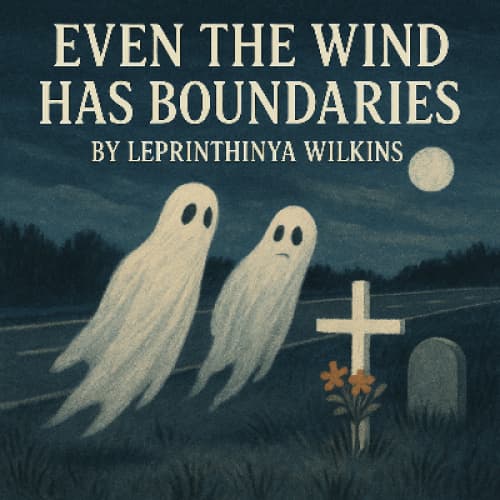
I floated down the interstate where my blood once stained the asphalt. A white cross stood there, plastic flowers pinned by wind and pity. People slowed down when they saw it, some even whispered a prayer. I watched, hollow but grateful. Then I noticed something—miles away, another soul drifted from a quiet bedroom window. No flowers. No cross. No one stopped.
He looked lost, like his spirit hadn’t been given a map.
“Where’s your marker?” I asked.
He just stared. “Guess I wasn’t the kind they mark.”
That’s when I saw it clear: even the afterlife had zip codes. The ones who died loud got monuments. The ones who faded softly got forgotten. Some of us lingered by roadsides, forever replaying our final seconds, while others slipped into walls and hospitals, unnoticed, half-remembered by unpaid bills and unclaimed clothes.
I tried to drift higher, past the trees, past the sound of rubber meeting road—but the pull of my own deathsite kept dragging me back. The earth remembers pain better than peace.
Every spirit I met carried their own hierarchy. The rich floated lighter, the mourned glowed brighter, and the nameless flickered like static between worlds. I wanted to scream, but ghosts don’t get that privilege.
Now, when headlights sweep across my marker, I stand beside it—not for me, but for the ones who didn’t get one. The forgotten. The unphotographed. The ones whose obituaries never made the paper.
Because even in death, some of us still have to fight to be seen.