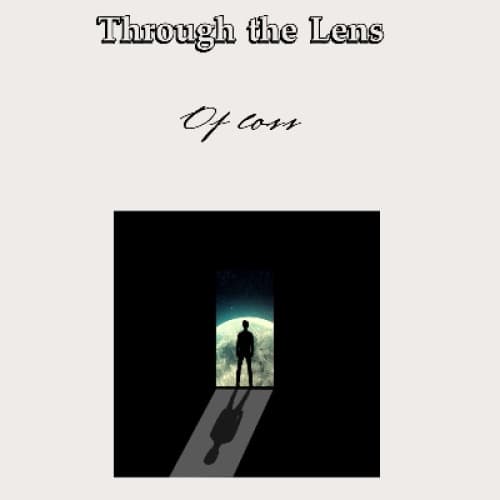
When the fire devoured his home, David Dawson lost everything. It wasn't just the building that turned to ash, but his entire life. Family heirlooms, cherished photographs, his wife’s wedding dress, and the carefully curated library he had spent a lifetime building—all gone. In a matter of hours, his world was reduced to a pile of smoldering rubble. The insurance money provided a lifeline, but it couldn't restore the memories or the sense of security he had once felt.Adrift in his grief, David wandered aimlessly through the city. He had no direction, no purpose. His once-vibrant life now felt empty and desolate. Friends and family reached out, but their words of comfort felt hollow. They invited him to stay with them, but he preferred the solitude of his temporary apartment. Nights were the hardest, filled with restless tossing and turning, haunted by dreams of what he had lost.One chilly autumn morning, David found himself at a flea market on the outskirts of town. The colorful array of trinkets and antiques was a stark contrast to the grayness that had settled in his heart. He wandered through the stalls, not really seeing anything until he came upon an old man selling vintage cameras.A particular camera caught his eye—a battered but beautiful Leica, its brass body showing the wear of many years. David picked it up, feeling the weight of it in his hands. There was something comforting about its solidity, a tangible connection to a past filled with stories he would never know. He bought the camera on a whim, not fully understanding why.That evening, he took a walk with the Leica slung over his shoulder. The city, in the golden light of the setting sun, took on a new character. He started taking pictures—an elderly couple sharing a bench, children playing in a fountain, a street artist lost in his work. As he looked through the lens, the world seemed different. Every frame captured a moment of beauty, a fragment of life that was fleeting yet eternal in the photograph.Days turned into weeks, and David's camera became his constant companion. He began exploring the city with new eyes, finding solace in the small details he had once overlooked. Photography became a meditative practice, a way to process his grief and rediscover the world around him.He joined a local photography club, where he met people who shared his newfound passion. They encouraged him, praised his work, and soon, his photographs were featured in local galleries. Each click of the shutter was a step toward healing, each image a piece of his broken soul finding its place in the world again.One day, David received an invitation to exhibit his work at a well-known gallery. The theme of the exhibit was "Resilience," and his photographs told a powerful story of loss and recovery. On the night of the opening, he stood in the gallery, surrounded by his photos, and felt a sense of peace he hadn't known in a long time.A woman approached him, her eyes lingering on a photo of a sunrise over the city skyline. "This is beautiful," she said softly. "It feels so hopeful."David smiled, feeling the weight of her words. "Thank you," he replied. "That's exactly what I was hoping to capture."As the night went on, he realized that in losing everything, he had found something invaluable—a new way to see the world, a new way to connect with others, and a new way to heal. Photography had given him a fresh start, a new frame of mind, and the strength to move forward.David's journey into photography began as a means of distraction, but it quickly became a passion that consumed him. He invested in photography books, spent hours on online forums, and took courses to improve his skills. His temporary apartment became a makeshift studio, with prints of his favorite shots adorning the walls.His daily routine changed. Instead of wandering aimlessly, he now had a purpose. Mornings were spent planning his shots, afternoons out in the city capturing moments, and evenings reviewing his work. He found beauty in the mundane: the way light filtered through leaves, the texture of worn brick walls, the play of shadows on pavement. Each photograph was a small victory, a testament to his resilience.David’s newfound hobby also brought him into contact with a community of like-minded individuals. The photography club he joined met once a week, and these meetings became a highlight of his week. The members were diverse, ranging from teenagers with their smartphones to retirees with high-end DSLRs. Despite their differences, they shared a common love for capturing moments and telling stories through their lenses.At one of these meetings, David met Sarah, a fellow photographer with a keen eye for detail. She was younger, in her late twenties, and had an infectious enthusiasm for life. They quickly became friends, often going on photo walks together. Sarah had a way of seeing the world that intrigued David; she found beauty in the overlooked and the ordinary. Through her, he learned to appreciate the smaller details and to experiment with different perspectives.One sunny afternoon, while exploring a neglected part of the city, Sarah turned to David with a mischievous grin. "Let's make a pact," she said. "We each take a photo that represents our biggest fear and our greatest hope. Then we share them with each other."David hesitated. The idea of confronting his deepest fears and hopes was daunting, but he agreed. Over the next few days, he thought long and hard about what those photos would look like. His biggest fear was easy to identify: losing everything again, being left with nothing. But how could he capture that in a photograph?One evening, he found his answer. Walking through a deserted street, he came across an old, dilapidated building. Its windows were shattered, and the walls were covered in graffiti. It was a picture of desolation, a place once filled with life now abandoned and forgotten. He took the shot, the image perfectly encapsulating his fear.Finding a representation of his greatest hope was more challenging. What did he hope for? A sense of belonging, a new beginning, a life filled with meaning and connection. Inspiration struck him one morning while watching the sunrise from his apartment window. The first light of dawn breaking through the darkness, painting the sky in shades of orange and pink, symbolized hope and renewal. He captured the moment, the sun rising over the city skyline, promising a new day and new possibilities.When he shared the photos with Sarah, she was moved. "These are powerful," she said. "They tell a story of where you've been and where you're going."David looked at the photos side by side. The contrast between them was stark, but they represented his journey—his past filled with loss and his future filled with hope.The invitation to exhibit his work came as a surprise. The gallery owner, a woman named Lydia, had seen his photos online and was impressed by their emotional depth and technical skill. She reached out to him, proposing a solo exhibition centered around the theme of resilience.David was both thrilled and terrified. The thought of sharing his work with a wider audience was daunting, but he knew it was an opportunity he couldn't pass up. He spent weeks preparing for the exhibition, selecting his best photographs, printing and framing them, and writing captions that told the story behind each image.The opening night of the exhibition was a blur of activity. Friends, family, and strangers filled the gallery, all there to see his work. David felt a mixture of pride and nervousness as he walked through the crowd, listening to their reactions. People were moved by his photos, each image resonating with their own experiences of loss and resilience.One photo, in particular, drew a lot of attention—the sunrise over the city skyline. It became the centerpiece of the exhibition, symbolizing hope and new beginnings. People stood in front of it, lost in thought, finding their own meanings in the image.As the evening drew to a close, David found himself talking to a woman named Emily. She was a writer who had been through her own share of hardships and was deeply moved by his work. They talked for hours, sharing their stories and finding comfort in each other's experiences.Emily’s presence in David’s life became a new source of strength. They started collaborating on a project, combining his photographs with her writing to tell stories of resilience and hope. Their work was well-received, and they began to receive invitations to speak at events and host workshops.Through these experiences, David realized that photography had given him more than just a new hobby. It had given him a way to process his grief, a means to connect with others, and a platform to inspire and be inspired. He had found a new purpose in life, one that was fulfilling and meaningful.David’s journey was far from over. There were still days when the weight of his loss threatened to overwhelm him, but he had learned to find solace in his art. Each photograph he took was a reminder of his resilience, a testament to his ability to find beauty in the midst of chaos.As he stood in his makeshift studio, surrounded by his photographs, David felt a sense of peace. He had come a long way from that fateful day when he lost everything. Through the lens of his camera, he had found a new way to see the world, a new way to heal, and a new way to move forward. His life was still a work in progress, but he was no longer afraid of what the future held. He had found his strength, his passion, and his purpose.And as the sun rose over the city, painting the sky in shades of hope, David picked up his camera, ready to capture the beauty of a new day.