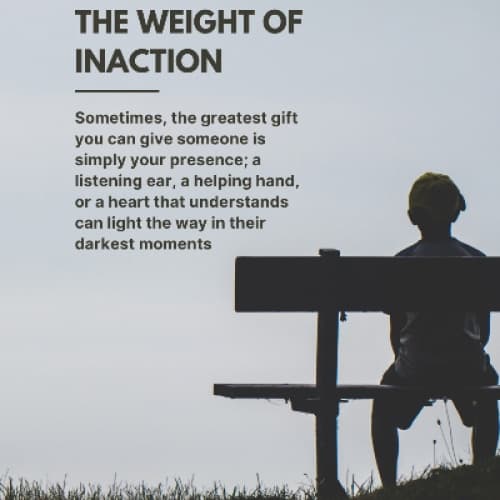
The evening air was crisp as I stepped out of the university metro station, the familiar sights of the city enveloping me like a comforting blanket. My dad was on his way to pick me up, and I could almost feel the warmth of home waiting for me. As I stood on the edge of the road, glancing at my watch, my mind drifted to the pile of assignments I needed to tackle once I got back.
But then, my attention was drawn to a commotion just a few feet away. A young boy, perhaps no older than ten, swayed unsteadily on the sidewalk, his eyes glazed over with dizziness. Beside him stood a man—his presence loomed like a dark cloud, his expression unreadable, and I felt a twinge of unease. “Sit down, kid, or you’re going to fall,” the man urged, his voice low and rough.
My heart raced as I took a step closer, my instincts kicking in. The boy looked so fragile, and I could see he was on the verge of collapsing. “Hey, are you alright?” I called out, my voice cutting through the noise of the bustling street.
Suddenly, the boy’s composure shattered, and he began to cry. “I have a tummy ache,” he sobbed, clutching his stomach. The sight of his distress twisted my heart, and I felt an overwhelming urge to help. “Is someone coming to pick you up?” I asked, kneeling beside him, trying to meet his tear-filled eyes.
He shook his head, his small frame trembling. “I go home on my own. I just need to sit down.”
My mind raced. I fumbled through my bag, searching for my phone to call someone for help, but it was nowhere to be found. Panic bubbled within me as I looked back at the boy, who now sat on the curb, tears streaming down his cheeks.
Just then, I spotted my dad’s car pulling up. Relief washed over me until I remembered the boy. I turned to my dad as he stepped out, urgency in my voice. “Dad, there’s a kid here who needs help! He says he’s sick and—”
“Leave him alone,” my dad interrupted, his tone firm. “There are scams where they use kids to lure people in, and then they get you. It’s not safe.”
A chill ran down my spine. I looked back at the boy, now sitting alone on the curb, and my heart sank. My dad’s words echoed in my mind, but the boy’s cries tugged at my conscience. I felt torn between the instinct to protect myself and the innate desire to help someone in distress.
As my dad urged me toward the car, I glanced back one last time. The boy was still there, lost and vulnerable, and I felt a pang of guilt that settled heavily in my chest. I climbed into the car, my heart heavy with the weight of my decision. The comforting warmth of home felt distant now, overshadowed by the uncertainty of what might happen to that child.
In the days that followed, I replayed that moment over and over in my mind. The image of the boy’s tear-streaked face haunted me, a constant reminder of my inaction. I felt regret seep into every corner of my thoughts. Was my dad right? Had I made the right choice? Or had I let fear dictate my actions at the expense of someone who truly needed help?
That experience changed me profoundly. I learned that sometimes the right thing to do isn’t always clear, and inaction can carry just as much weight as a wrong decision. I began to understand the importance of compassion, of listening to that instinct to help, even when it feels risky.
Now, whenever I see someone in distress, I remind myself of that boy. I strive to find a balance between caution and kindness, knowing that every moment of hesitation could mean the difference between safety and despair for someone else. The guilt lingers, but it has also become a catalyst for change within me, a reminder that the world is filled with complexities that demand our empathy, not just our caution.