


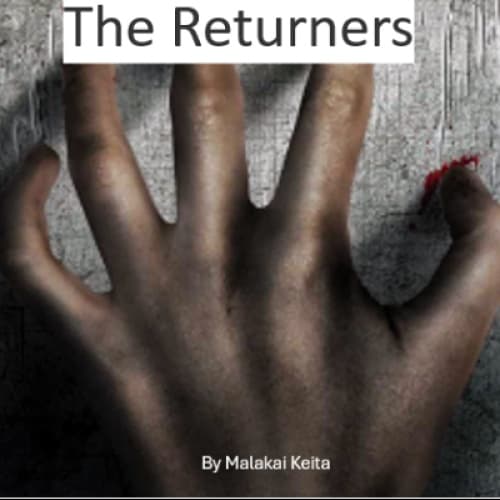
The first disappearance was subtle. Lizzy Hanes, a quiet accountant with no family to miss her, simply stopped showing up for work. Days turned to weeks, and the town of Oakwood shrugged it off. But then came Brian, a teenager who vanished on his way home from football practice. A family man, Paul Harrow, was next, vanishing during his shift at the local diner. The town whispered about kidnappings, cults, even wild animals—but nothing concrete surfaced.
Months later, Lizzy came back.
Sheriff Grayson was the first to see her. She was sitting on her porch at sunrise, sipping tea like she’d never left. Her skin was pale, her eyes sunken, and her voice cracked when she spoke:
“They said I could come home now.”
The first body was found three days later.
Paul Harrow’s wife called me to the scene. I was Oakwood’s forensic investigator, pulled from retirement after Paul’s reappearance and subsequent murder. His body lay sprawled across his front lawn, dismembered but carefully arranged into what resembled a human sun dial, his limbs marking specific times of day. His face was frozen in an expression of terror, his eyes staring up at the sky.
Paul’s wife had been asleep upstairs. She heard nothing.
Then Brian returned.
The boy wandered into town at dusk, barefoot and bloody, his lips moving in a silent prayer. When asked where he’d been, he only murmured, “They taught me how to carve.”
Two nights later, his family was found in their home—slaughtered. Blood painted cryptic symbols on the walls, and every door in the house was nailed shut from the inside. Brian was nowhere to be found.
The reappeared were not themselves.
The more I studied Lizzy, Brian, and others who came back, the more I noticed patterns. They avoided direct eye contact and had strange new habits: Lizzy tapped her teeth with her nails incessantly, while Brian hummed disjointed melodies that never seemed to end. Their memories were fragmented. They couldn’t—or wouldn’t—say where they’d been.
But the murders grew worse.
Each scene was more grotesque than the last. A man skewered on his own weather vane. A woman hung upside down in her living room, her blood drained into ornate jars that circled her body like an offering. In every case, the returnee was missing again by the time the crime was discovered.
I stayed awake for days, poring over files and photos, looking for clues. It was the symbols that finally stood out—the same ones drawn in blood on every crime scene. They matched carvings found on rocks in the woods outside town, etched deep into ancient stones long before Oakwood was founded.
The missing weren’t just returning. They were bringing something back with them.
I didn’t realize how close I was to the truth until Lizzy came to my house.
It was midnight. I’d been drinking coffee, my hand shaking as I sketched out one of the symbols again and again. When I turned, she was standing in my kitchen.
“Why are you looking for answers?” she whispered, her voice almost mechanical.
Before I could respond, she stepped closer. Her face twisted into something inhuman—her eyes blackened, her smile stretching unnaturally wide. She leaned in, her breath cold against my cheek.
“They’re watching you now.”
She vanished into the night.
The next morning, the police found the sheriff’s mutilated body in the center of town, his organs arranged into a spiral that stretched across the pavement. My name was scrawled in blood at the scene.
I had become the hunted.
The disappearances continued. The reappeared returned with more precision, more cruelty. And I could feel it now, a presence in the town, watching, waiting. Whatever had taken them had a plan, and I was next.
But I couldn’t stop. The answer was out there, buried in the woods or in the symbols. And if I stopped looking, it would find me first.