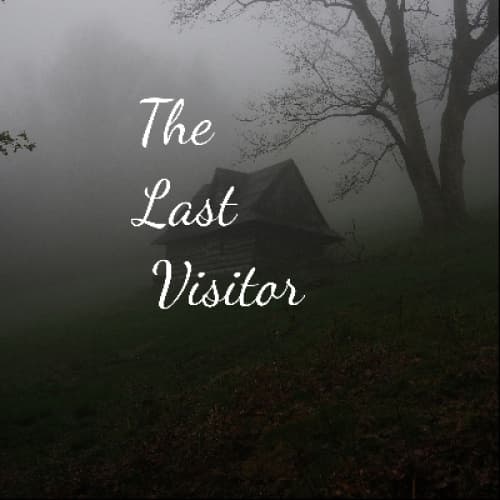
In the sleepy town of Millbrook, where time seemed to crawl and secrets whispered in the wind, lived an old woman named Agnes Wilkins. Her cottage was a ramshackle affair, perched on the edge of a dense forest. The townsfolk avoided Agnes and her home, believing her to be a relic of a bygone era, though some whispered that she had once been a healer, now cursed to live out her days in isolation.
One evening, as a storm raged outside, a young woman named Clara, seeking shelter, knocked on Agnes’s door. Agnes, with her frail frame and a face marked by time, opened it with a creak. She invited Clara in with a toothless grin, and the girl, though hesitant, accepted.
Inside, the cottage was dimly lit by a single flickering candle. The air was thick with the scent of mildew and something else—something faint and metallic. Agnes offered Clara a cup of tea, her bony hands trembling as she poured it. Clara, trying to ignore her unease, sipped the tea, and the warmth of it was oddly comforting despite the storm’s fury outside.
As the night grew darker, Agnes began to talk, her voice a raspy murmur. She spoke of old rituals and ancient rites, of the times when she was revered and feared. Clara listened with a mixture of curiosity and apprehension. Agnes’s stories grew darker and more disjointed, filled with eerie tales of those who came to her for help and never left.
Suddenly, a loud crack of thunder shook the cottage. Agnes’s expression shifted to one of palpable dread. She leaned closer to Clara, her eyes wide and desperate.
“They come for me,” she whispered. “The ones I couldn’t save. They’re coming tonight.”
Clara’s heart raced. “Who?” she asked, her voice trembling.
Agnes didn’t answer. Instead, she hurried to a small, locked chest in the corner and fumbled with the key. As she opened it, Clara saw a collection of old, worn photographs, each depicting people with hollow eyes and somber faces. Agnes pulled out a photograph of a young girl, her own eyes filled with terror as she clutched it.
“There’s something you need to know,” Agnes said, her voice breaking. “They’re coming for me, but they’re always hungry for more. They want to take someone else.”
Before Clara could respond, the lights flickered and went out, plunging the room into darkness. The storm outside howled, and Clara heard a low, rhythmic thumping, like footsteps approaching. She felt a cold breath on her neck and turned to see the faces from the photographs emerging from the shadows, their hollow eyes fixated on her.
Agnes, now in a trance-like state, began to chant softly, her voice blending with the howling wind. Clara’s fear gave way to an overwhelming sense of doom. She reached for the door, but it was stuck fast. The shadows grew closer, their forms becoming more defined and ghastly.
In a final, desperate act, Agnes threw open the chest and, with a voice filled with despair, urged Clara to leave, but not without a price. “Take the photograph,” Agnes said, her voice barely audible. “It’s a part of them. It will keep them at bay.”
Clara, trembling, snatched the photograph and, with a burst of strength, managed to force open the door. She fled into the stormy night, the echoes of Agnes’s chants and the chilling cries of the figures chasing her fading into the storm.
Back in Millbrook, the storm eventually subsided, but Agnes’s cottage remained eerily silent. When the townsfolk ventured out to check, they found the place abandoned, save for the photograph left behind. It was a haunting image of Agnes, her eyes wide with a terror that seemed to extend beyond the confines of the photograph itself.
Clara never spoke of that night again, but the photograph, now carefully hidden in her home, served as a grim reminder of the darkness that lurked behind Agnes Wilkins’s frail facade—and the night when the past reached out to claim another victim.