
Martha had felt trapped in her marriage for years, and things had got worse when Bernard, her husband, was diagnosed with high blood pressure and high cholesterol. Always something of a hypochondriac, it was now only reluctantly that he would leave the house – to go shopping, to a restaurant or the cinema. He was, moreover, resentful of Martha going anywhere without him, so that more and more of her life was spent in the house with a husband who did little but eat, sleep, watch the television and worry.
Things were to get worse still when, two years after his diagnosis, Bernard suffered a mini-stroke – a TIA (Transient Ischemic Attack). This, at any rate, is how the hospital Consultant interpreted the episode of double-vision. It occurred one morning when Bernard walked into the sitting room. On the wall opposite the doorway hung a print of Van Gogh’s Sunflowers. On either side of this stood the television on a small wheelable table and a portable radiator. Also visible from the doorway was the left-hand curtain of a window and the lightshade that hung from the ceiling.
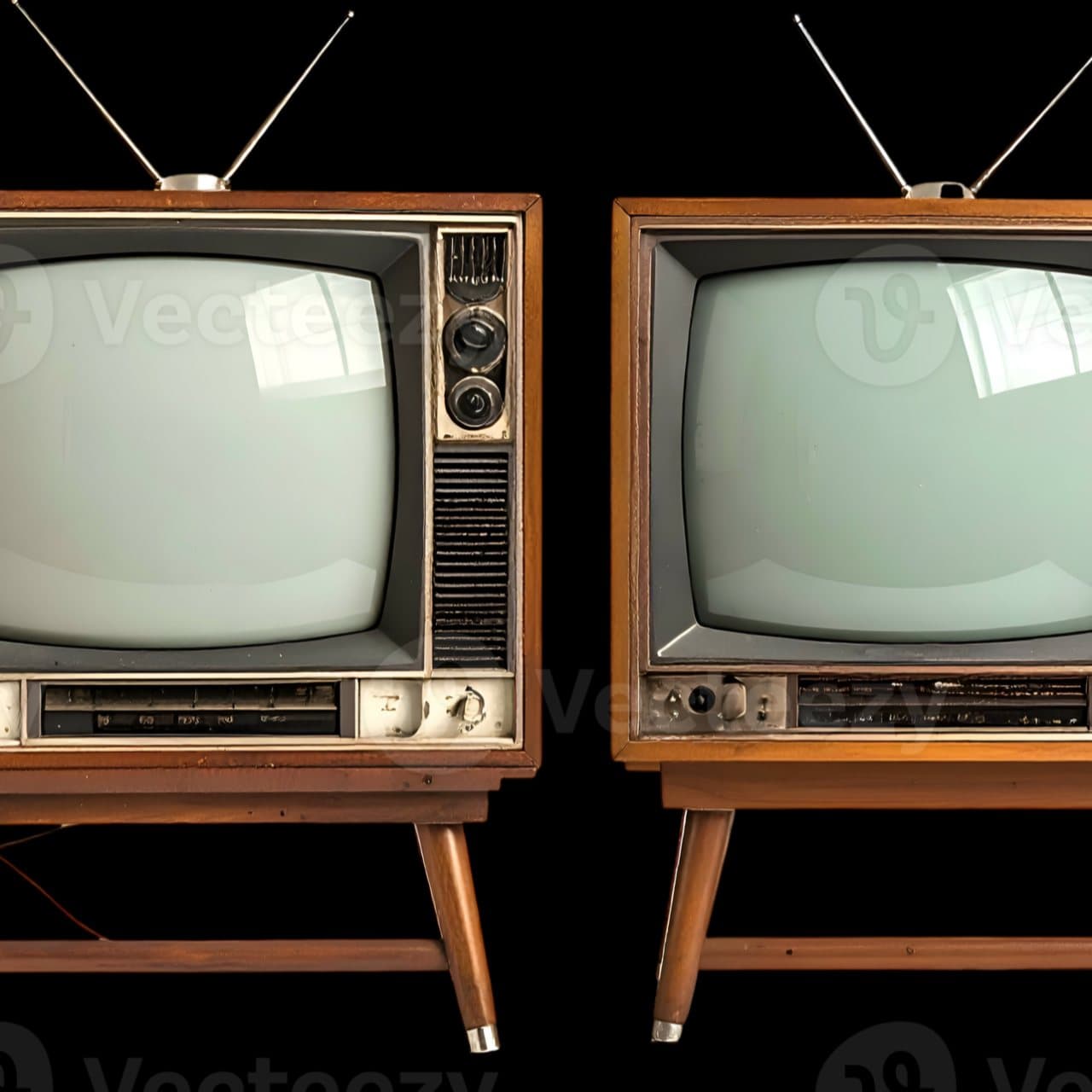
As he entered the room, Bernard suddenly saw two of each of these objects. Two prints, two televisions, two radiators, two curtains, two lightshades. The images were quite separate. It was as if, for example, there was a 12 inch gap between the two Van Goghs or the two lightshades.
After this episode, Bernard refused to leave the house, except to keep appointments at the hospital or local medical practice. He had convinced himself that the stress of going out would induce a further double-vision episode, a further TIA – one that, this time, would prove fatal. The Consultant had told him, after all, that this kind of episode could be a precursor of a major stroke. As a result, his existence became restricted to staying in bed until 10 in the morning, going into the sitting room to watch sports on the TV, sorting out his medication, eating a sandwich in the kitchen, returning to the TV, eating supper on a tray, and returning to bed.
Martha’s life was barely more exciting. Bernard allowed her out only to do the shopping twice a week, look after their small garden, and occasionally have coffee with the next-door neighbour. He was also very demanding inside the house, constantly ordering her to bring him a cup of tea, turn on the radiator, answer the phone, contact the doctor’s, switch on the electric blanket, or fetch him his tablets.
Bernard’s conviction that another episode of seeing everything double would kill him proved to be justified. There was indeed a second episode, an exact replica of the first. Having, as usual, come downstairs at 10 a.m., he went into the sitting room - but there before him, once again, were two Van Goghs, two televisions, two lightshades … two of everything, just as before. Bernard collapsed on the floor and was pronounced dead by the paramedics who arrived, forty minutes later, after Martha’s 999 call. It was a heart attack caused by shock, rather than a stroke, that had killed him.
Martha had not, in fact, hurried to call 999. Before the paramedics’ arrival, there were things she needed to do. First she took down the second of the Van Gogh prints, one she’d got from Amazon three days earlier. Then she wheeled the second television that she’d rented for a week into the garage. After this she carried the second radiator, bought from a budget retail store, into the kitchen, and took down the second curtain she’d found in the same store. Finally, perched on some steps, she took down the second lightshade that she’d attached to the ceiling with a cord and Sellotape.
Martha took a final look around the room before phoning 999. The sitting room was now back to normal, without one too many of anything.