
In a world where the future was just a daydream, Tanya found herself sitting at her desk, staring blankly at the pages of her notebook. She was supposed to be writing about a futuristic city—a place free from the burdens of nature that had once brought her so much joy and pain. The memories of her mother’s last words echoed in her mind as she recalled that fateful day in 1980 when a devastating typhoon stole everything from her. Nature had turned from a friend into a foe, and Tanya had vowed to create a world where it would no longer hold sway over her life.
Her aunt, Auntie Susana, the self-proclaimed environmentalist, often berated her for her disdain for nature. Living with her aunt and uncle felt like a prison; Tanya was forced to carry out chores in the garden that she detested. One evening, while cleaning up a mess in the backyard, she spotted a flicker of light among the plants. Curious, she approached it, only to be engulfed by a blinding glow.
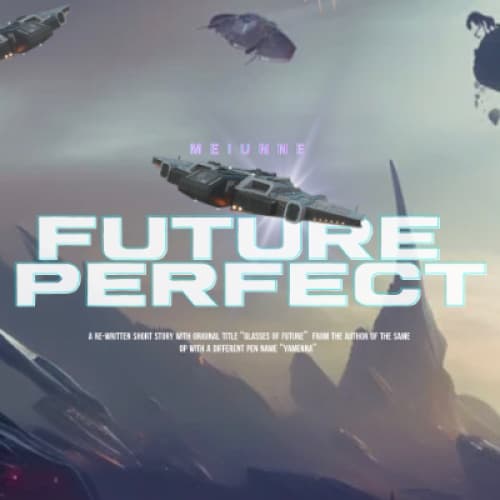
When she opened her eyes, Tanya found herself in a futuristic world. Gone were the earthy tones of her childhood; instead, sleek metal and glass towers pierced the sky. Drones zipped overhead, and the air was filled with the hum of machines. A boy named Mateo greeted her, his robotic features reflecting the advanced technology that surrounded them. “Welcome to Earth, Miss. It’s the year 2055.”
Tanya was stunned. “This is Earth? But… how?”
Mateo explained that humans had created a city called Shangri-La, where people like him—androids—had replaced the natural world. As they explored, Tanya felt a mix of awe and dread. She had dreamt of a world without nature, yet here it was in full swing, and the people were not happy. Protests erupted outside, with real humans demanding their home back from the metal beings who had taken over.
“Bring back the Earth!” they shouted, their voices filled with desperation.
Tanya felt a pang of guilt. Could she really have created this? She confronted one of the protesters, but as the chaos unfolded, tear gas filled the air, and panic ensued. Mateo grabbed her hand, pulling her away from the crowd, but the damage was done. The reality of what she had wished for was crashing down around her.
In the midst of the chaos, Tanya collapsed, her dreams shattering. She woke up in a serene place, surrounded by greenery. It was a human settlement, where laughter filled the air, and people tended to plants with love. Israel, a boy from the settlement, took her under his wing, showing her the beauty of nature—the very thing she had tried to escape.
As they planted trees and played by the lake, Tanya began to feel something she hadn’t felt in years: joy. But that joy was short-lived. A storm hit, and as the winds howled, she realized the cycle of destruction was repeating. Desperately, she clung to a dog named Lucky, panic rising within her.
“Please, no!” she screamed, but the waves surged, and she was consumed by darkness.
She woke up, gasping for air, realizing it had all been a nightmare. Her aunt’s voice broke through her thoughts, calling her to help with the plants. With tears in her eyes, Tanya rushed to embrace Auntie Susana, feeling the warmth of a bond she had neglected.
“Can I join you, Tita?” she asked, her voice trembling.
Auntie Susana smiled, surprised but pleased. “I thought you didn’t want your hands to get dirty.”
From that day forward, Tanya began to nurture the earth instead of resenting it. She planted flowers, cared for the trees, and learned to love the very nature she had once sworn to escape. Though the memory of her past lingered, she found solace in the possibility of change—both for herself and the world around her.