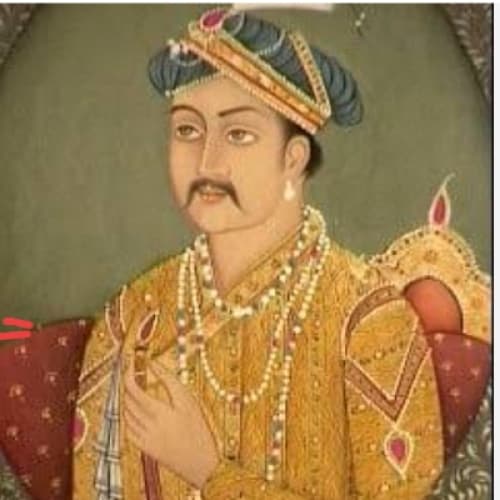
Akbar the great
Akbar the Great, also known as Akbar I, was the third Mughal Emperor, who reigned from 1556 to 1605. He is widely regarded as one of the greatest emperors in Indian history. Here are some key points about his reign and contributions:
1. **Expansion of the Mughal Empire**: Akbar significantly expanded the Mughal Empire through a series of military conquests and alliances, bringing much of the Indian subcontinent under his control.
2. **Administrative Reforms**: He implemented a centralized administrative system and established efficient governance practices, including a revenue system known as the Mansabdari system.
3. **Religious Tolerance**: Akbar is famous for his policy of religious tolerance. He promoted a syncretic religion called Din-i Ilahi, which sought to merge elements of various religions. He also abolished the jizya tax on non-Muslims and encouraged dialogue among different religious communities.
4. **Cultural Patronage**: Akbar was a great patron of the arts, architecture, and culture. His reign saw the flourishing of Mughal architecture, including the construction of the Fatehpur Sikri and the Lahore Fort. He also supported literature, music, and painting.
5. **Personal Characteristics**: Akbar was known for his intellectual curiosity, interest in philosophy, and engagement with scholars from various religious and cultural backgrounds.
6. **Legacy**: Akbar's policies and administration laid the foundation for a prosperous and stable empire, which continued to thrive under his successors, particularly Jahangir and Shah Jahan.
Akbar's legacy continues to be celebrated for his contributions to Indian society, culture, and governance.