



In the Spotlight
Latest Stories
View AllReviews
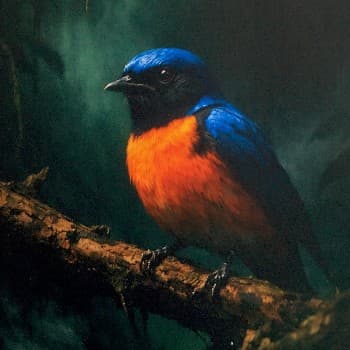
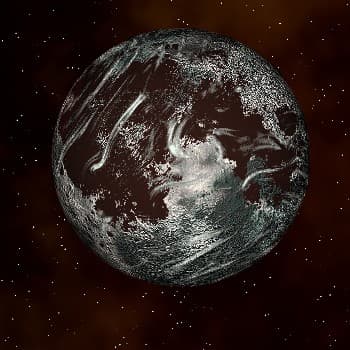
Fate is in the Stars and Planets
Most people who call themselves astrologers are, of course, either charlatans or genuinely misguided. But very rarely—very, very rarely—you come across someone who truly knows what they’re doing and possesses real skill, someone who can genuinely blow your mind...
Viacheslav Sannikov
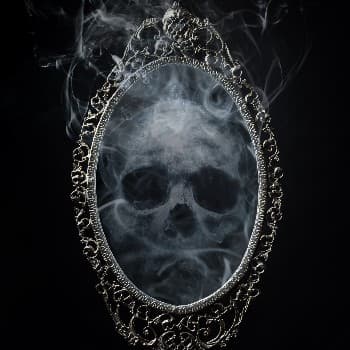
'It' Came After You Were Gone
It was kinda confusing but the shift at the end was warmer and nice ...
Laiba Waqar
Fate is in the Stars and Planets
I really liked the uneasy, reflective mood of this. Jenny’s uncertainty feels painfully recognizable—not just her difficulty finding work, but the deeper fear that she may not have a passion at all. The art exhibition works nicely as an opening image for that feeling: everyone else seems to know how to look at the world, while Jenny feels as though she’s missing the right perspective. The repeated appearances of the astrologer gradually shift the story from everyday anxiety into something much stranger, and the abandoned church gives the final encounter an especially effective atmosphere. I also enjoyed the tension between Jenny’s skepticism and her growing vulnerability; the astrologer may be supernatural, manipulative, or simply exploiting common fears, and that ambiguity kept me interested. The ending is creepy and suitably unresolved, though I did find the middle section a little repetitive, with Jenny circling the same questions for quite a while. Still, the story leaves behind an intriguing thought: when we feel lost enough, even the unbelievable can start to look like guidance.
Sophie Bennett