


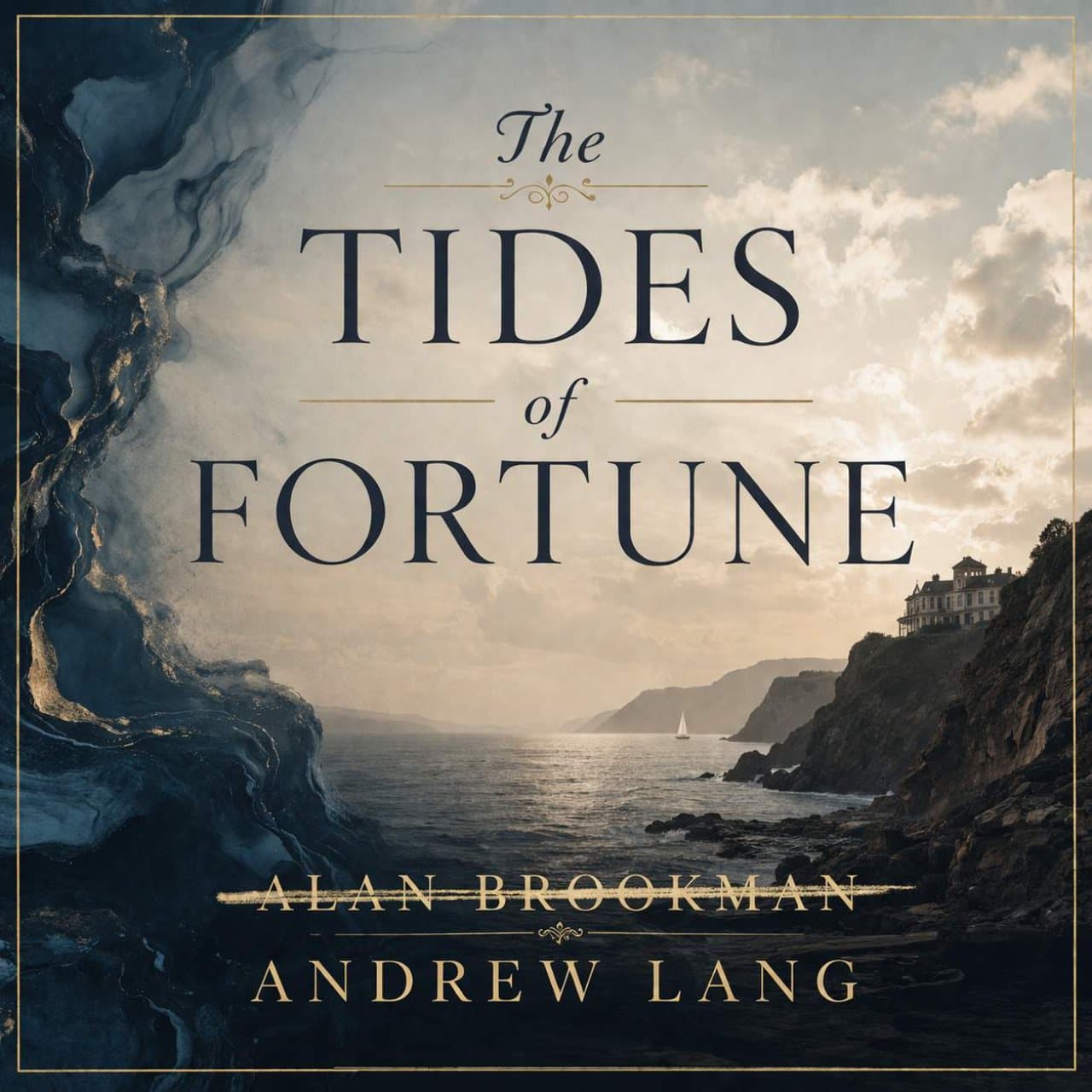
He saw it first in the window of WH Smith. Same font, same glossy cover: Tides of Fortune III – The Reckoning. The title alone felt off — Eaton-Holt didn’t do reckoning. They did resolution.
Alan stood outside for a moment, rain starting up, the kind of drizzle that smudges reflection and reality into one. Then he went in. The assistant didn’t recognise him, which was perhaps for the best. He bought the book — his book, not his book — and carried it to his car, the same car where he’d once waited for Joanne.
He sat, opened it, began to read. Towards the end of Chapter One:
Daniel looked at Maria and saw not comfort, but distance. The sea between them was no longer metaphor; it was geography. He’d built a business around other people’s journeys, and somewhere along the way had lost his own.
Alan frowned. This wasn’t right. The rhythm was wrong, the moral temperature lower, the prose darker. He kept reading.
Maria waited until the tide went out before telling him. She spoke quietly, cleanly, like a confession rehearsed. She’d been seeing someone else. One of the clients. A man who owned three boats and no heart. Had been seeing him all this time, ever since Daniel had started the yacht chartering business. Daniel listened, and in that moment felt something in him unmoor, drift, disappear beyond retrieval.
Alan stopped. He stared out through the windscreen at the blurred car park. He knew, without knowing how, that this wasn’t Eaton-Holt’s doing. This was sabotage — mutiny. The Ghostwriter had turned.
Alan read the paragraph again — twice — grinning like a man watching his own house burn beautifully. The bastard ghostwriter had done it. He’d taken a match to the whole edifice. Years of sunny fidelity, of wifely constancy and marina virtue — gone in one clean, treacherous tide.
He could almost picture the man at his desk, pouring petrol onto the franchise and striking the lighter. “Good lad,” Alan murmured aloud, absurdly proud. The public would hate it. But Alan — Alan was exultant. At last the truth had sailed into fiction: Maria, eternal comforter, harbour of the just world, was now rotten.
Alan imagined Victor boxed in by a deadline, maybe not even caring that book three torched the whole franchise. Perhaps he’d made enough by then. Whatever the case, fate had dealt Alan a gift.
He read on, faster now, heart thudding. He sneaked a peak at the last paragraph of the last page:
By winter, Daniel’s business had folded. The marina was silent, the gulls gone. Maria was long gone. He wrote her letters he never sent, long careful things about love and work and weather. But even he knew it was over. “The sea forgives nothing,” he wrote. “It only remembers.”
Alan shut the book and laughed — a strange, dry laugh that startled even him. It wasn’t joy. It was vindication.
After all this time, someone — this anonymous ghost — had understood. Not just understood him, but answered him. The mutiny wasn’t against the franchise. It was an act of recognition.
He felt something like gratitude, though he’d never know to whom. Whoever the Ghost was, they’d done for him what he could never do for himself: told the truth in public, under his name.
He sat there until the rain thickened and the light went. Then he drove home, the book on the passenger seat like a completed sentence.
The novel didn’t sell. Eaton-Holt tried to bury it with smaller print runs and quieter advertising. It wasn’t the kind of story readers wanted — there was no redemption, no glitter, no Maria waiting at the harbour. There was only failure, beautifully done.
And that, Alan thought, was the first honest success his name had ever known.
In time, he wrote again. Not another Tides. Something smaller, stranger, true. It came out with a small independent house — no advance, no tour. It sold, barely. Lydia read it four times back-to-back and told everyone who’d listen that it was brilliant, “the book the others were trying to be.”
Alan didn’t care about numbers anymore. He’d had his brief encounter with fame and notoriety, and it had almost killed him.
Now, when people asked what he did, he said, “I write,” and left it there.
Sometimes he’d see a copy of The Reckoning in a charity shop, spined and sun-faded, and he’d buy it every time. Not out of pride — out of gratitude. For the ghost who’d set him free.
He never found out who it was. He hoped he never would.
Because the truth was simple, and he could finally admit it:
it didn’t matter who wrote the story — only that someone, at last, had told it right.