



We built cities of concrete and glass, stacked ourselves in boxes, and called it progress. We traded the smell of bread rising for the smell of car exhaust. We traded the sound of neighbors talking over fences for the sound of televisions talking to empty rooms. We traded knowing the person who grew our food for scanning barcodes in fluorescent-lit caverns, alone, at midnight, buying strawberries in December that taste of nothing and cost the earth.
We forgot.
We forgot that food is not fuel. It is language. It is the "I made too much, come eat" and the "I saved you the last piece" and the "I know you like it this way." We forgot that cooking is not domestic servitude. It is alchemy. It is the transformation of scarcity into abundance, of time into nourishment, of flour and water into the thing that keeps a body alive for another day.
We forgot that we need each other.
In our cement towers, we became strangers living next door. We became consumers instead of neighbors. We became isolated nodes in a network that extracts from us and gives nothing back. We pay for convenience and wonder why we have no time. We pay for "connection" and wonder why we are lonely. We pay for health and wonder why we are sick.
This is what it is costing us...
Our health, eroded by food designed to addict, not nourish. Our wealth, drained by systems that profit from our confusion. Our time, stolen by jobs that leave us too exhausted to chop an onion. Our joy, replaced by the endless scroll of meals we will never taste made by hands we will never meet. Our planet, ravaged by the extraction required to feed a system that demands we consume more, faster, always.
This is what we gain when we remember:
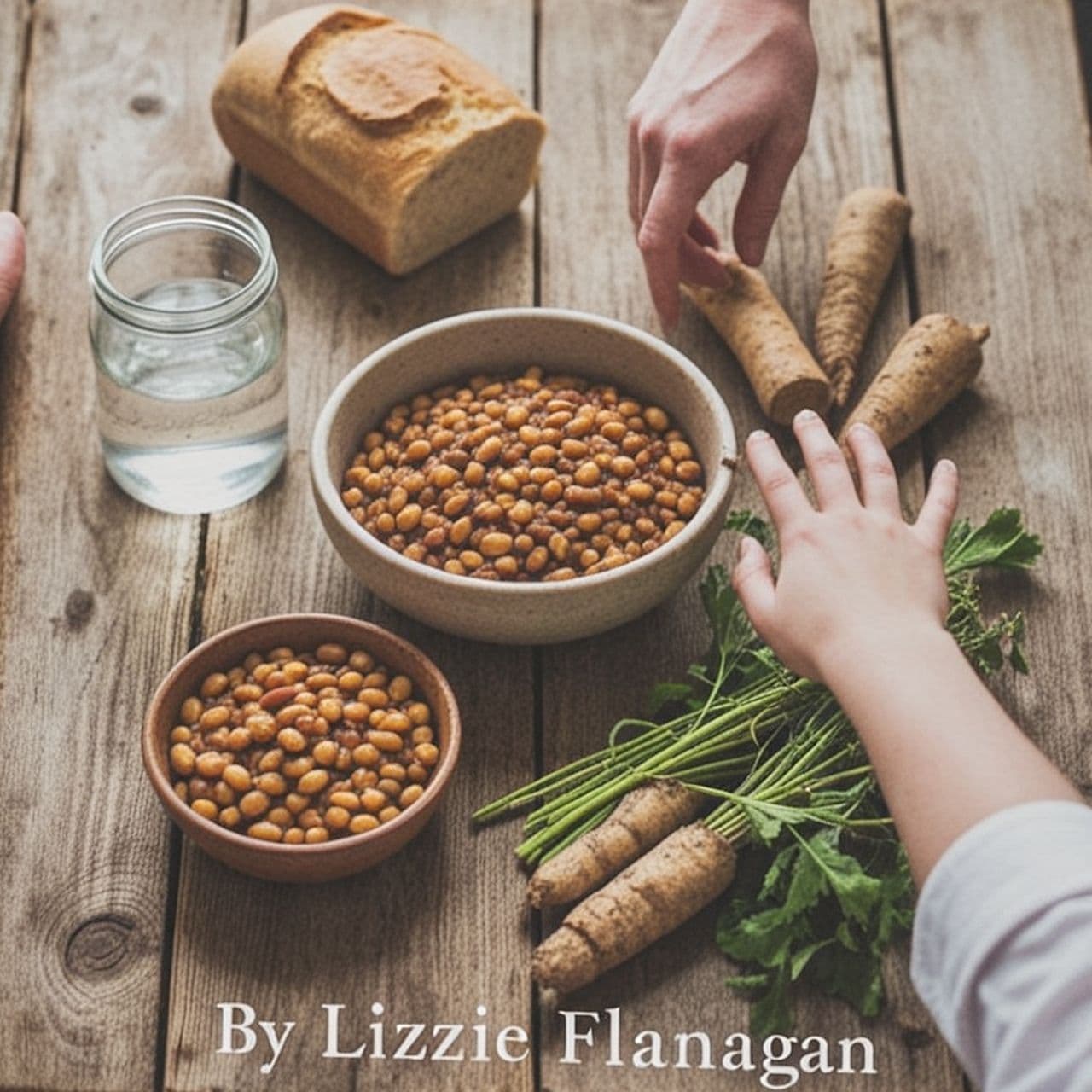
We gain the knowledge that a pot of beans, simmered slowly, feeds a family for pennies and tastes like care. We gain the muscle memory of kneading dough, the meditative chop of an onion, the satisfaction of a freezer full of meals we made with our own hands. We gain the neighbor who borrows our ladder and returns it with a pie. We gain the child who learns to sew and leaves with cookies and confidence. We gain the network of mutual aid that means none of us ever has to be truly alone.
We gain time. Real time. The time that comes from slowing down, from doing one thing at a time, from accepting that a meal takes the time it takes and that is not wasted time but lived time.
We gain health. The kind that comes from whole foods eaten slowly, from movement that is part of life instead of punishment for life, from sleep that comes easy because the body is tired in the right way.
We gain money. Real money. The $35 that becomes $70 of value because we are not paying for packaging, for marketing, for convenience we could create ourselves. The money that stays in our community because we are trading with neighbors instead of sending it to corporations.
We gain dignity. The dignity of knowing how. How to feed ourselves. How to stretch a dollar into a week. How to say "I made this" and mean it. How to ask for help and offer it in return without shame.
This is how we bring it back:
One small decision at a time.
The decision to buy the whole chicken and learn to break it down. The decision to say yes to the neighbor's tomatoes and make sauce. The decision to batch cook on Sunday so Tuesday is easier. The decision to eat the same beans three ways instead of buying something new. The decision to knock on the door and ask if they have a drill you can borrow. The decision to say "come eat" instead of "see you later."
One decision. Then another. Then another.
Until the cement tower starts to feel like a village. Until the stranger next door becomes the friend who brings soup when you're sick. Until the $35 feels like abundance instead of scarcity. Until the kitchen becomes the heart of the home again, instead of the room we walk through to get to the microwave.
This book is a map back.
Not to the past. Not to some imaginary golden age. But to something real and possible and happening right now, in small kitchens and tight budgets and communities being rebuilt one loaf of bread at a time.
You do not need more money. You need more knowledge. You do not need more time. You need more intention. You do not need more stuff. You need more connection.
Start with the beans. Start with the bread. Start with the neighbor. Just start.
Lizzie Flanagan