


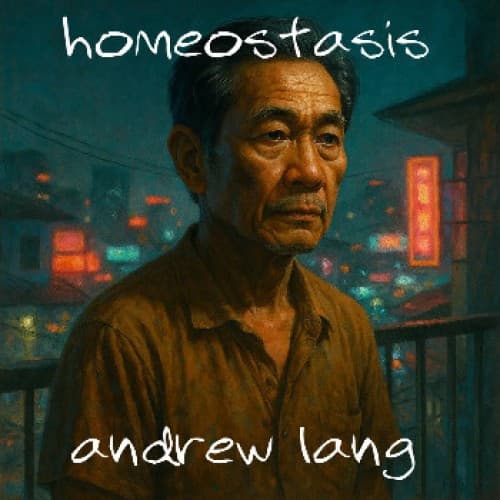
The man’s name was Prasert Chavanitkul. Forty-six. Mechanical engineering teacher at Rayong Technical College. Divorced. No children. Lived alone in a modest townhouse. Watered his plants every Saturday morning.
By any measure, his life was good.
Not extraordinary. Not enviable. Just good—in the quiet, steady way most people forget to admire. His students liked him. His neighbors trusted him. He donated every month to a small school rebuilding fund in Loei. No grand gestures. No self-promotion. Just consistent decency.
He felt, more or less, content.
Not proud. Not lucky. Just… settled. He had suffered in his younger years—his father’s debts, a failed business, a bitter divorce—but now? The water was calm. The horizon untroubled.
He had no desire for drama. No unfinished business. Just a daily rhythm he could carry to the end.
Pan listened to all this as Prasert told it to the bartender that night. Not boastfully. Just in passing. Like a man recounting the details of a well-balanced ledger.
They were sitting two stools apart. The bar was quiet. Local, worn-in. A muted television played grainy footage of an oil spill off the coast. Rain had fallen earlier, leaving the air heavy with sea salt and diesel.
Pan didn’t speak much. He just sat, sipping his drink. Listening.
“You teach because it’s useful,” Prasert was saying. “Not glorious. But useful. That’s enough.”
Pan nodded, almost imperceptibly.
“A rare kind of satisfaction,” he said.
Prasert smiled. “Hard-earned, though. Nothing was given.”
They drank in silence for a while.
Eventually, Pan raised his glass.
“To usefulness,” he said.
“To staying the course,” Prasert replied, and they clinked glasses.
They both drank.
Prasert woke up in the back of a tuk-tuk. No memory of leaving the bar. His phone was gone. Wallet too. His mouth was dry. His head throbbed with a pressure that felt unnatural—like something pushing inward from behind his eyes.
He stumbled into a 7-Eleven and asked the cashier to call someone. The cashier stared at him a few seconds too long before handing him a chair.
Later, CCTV footage showed him chatting at the bar. Another man sat beside him, but his face was never visible—just a partial profile, turned away, obscured by the low light and grain of the video. The bartender remembered them talking. Said the man was “quiet, polite.” Couldn’t describe him. Couldn’t remember when he left.
The days that followed were strange.
Prasert started waking up exhausted. A heavy fatigue that sleep didn’t touch. His limbs felt like they were filled with wet sand. His vision blurred at times. His balance slipped.
He went to the doctor. Blood tests, scans, nothing conclusive.
The symptoms didn’t go away.
He began taking days off work. Then full weeks. Sick pay only went so far. Eventually, the college reduced his hours. Half salary.
He moved out of his townhouse into a small studio apartment. Sold his scooter. Stopped donating to the school in Loei.
He told no one about the man at the bar. What would he even say?
Sat at his local coffee shop, Prasert was reminded of one of his new symptoms - the incessant need to urinate. He got up from his table to head to the toilet for perhaps the 5th time this morning.
When Prasert returned to his table, he saw a piece of paper under his coffee.
No signature. Just a line, written in neat Thai:
บางชีวิตเบาเกินไป
Some lives are too light.