


Detective Chief Superintendent Marcus Hargreaves had the solemn air of a man permanently attending his own press conference. The blinds were half-drawn — that curious gesture of bureaucratic self-importance, as if daylight required clearance. Around the table: men of rank, men of ruin, men who mistook procedure for thought.
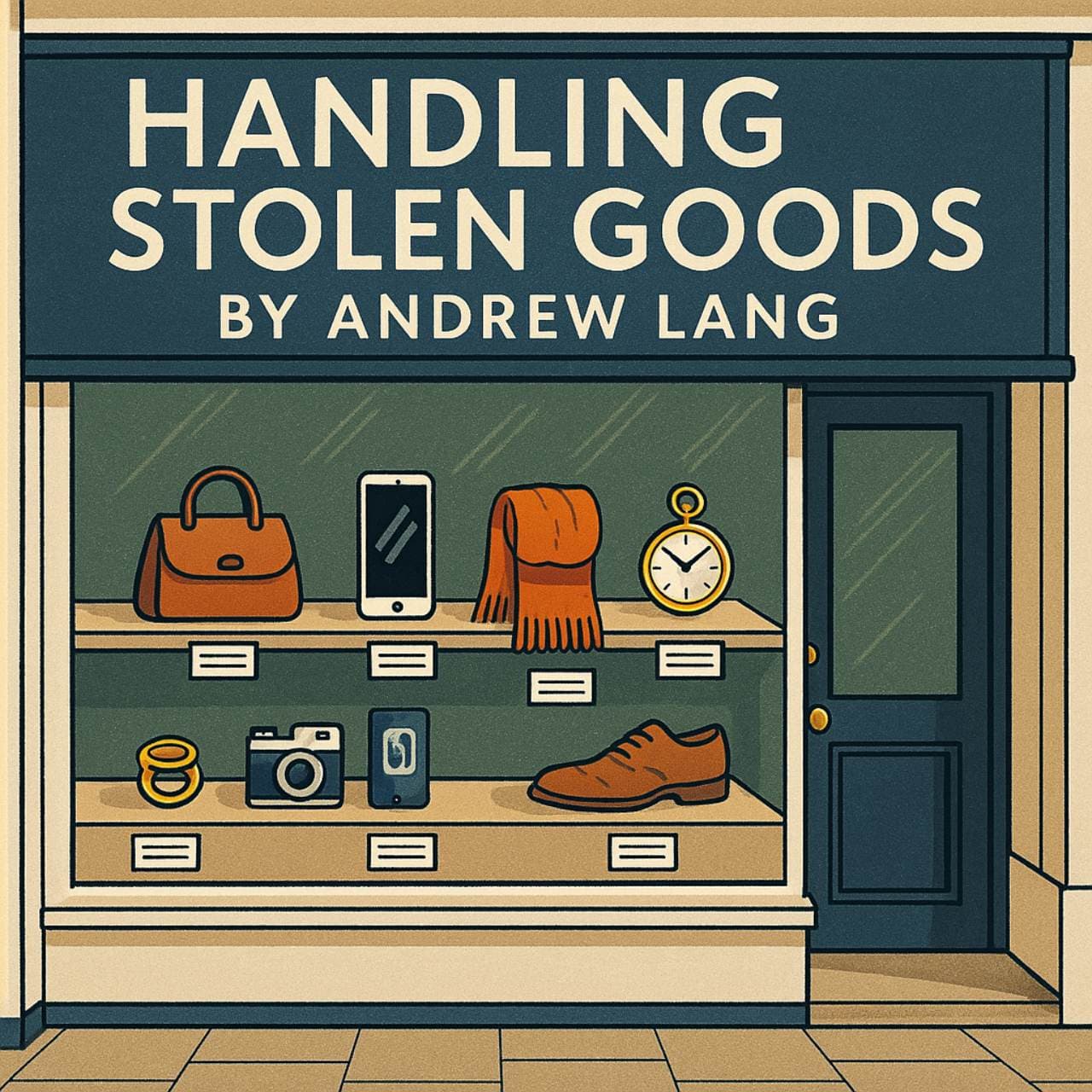
“Gentlemen,” Hargreaves began, savouring the plural. “We have a situation. A shop in Pimlico is mocking the rule of law. A sort of art installation. Theft as cabaret. Our crest, if you like, reduced to a punchline.”
Lomas, ever the conscience in uniform, spoke up. “With respect, sir, it’s not just optics. Petty theft’s up. The public’s angry. It’s probably the number one thing people complain about — that we don’t seem to care.”
Hargreaves turned to him slowly, the patience of a man indulging weather reports. “Lomas, you talk like this is a crisis. It’s a breeze. A squall in a teacup. The public rage, the press flaps, and then they all move on to the next outrage — dogs fouling pavements, royal birthdays, whatever it is this week. We don’t need to fix anything. We just need to outlast it.”
A short silence followed, thick with the smell of unspoken career anxiety. Patel cleared his throat. “The clips, sir — they’re still trending. Two million views last night. It’s everywhere.”
Hargreaves gave a mirthless laugh. “Two million people watching a burglar in fancy dress while we sit here filling out forms about accountability.”
He stood, the movement theatrical. “We can’t reduce crime, not with what we’ve got. But we can redirect the narrative. We give the performance artist his encore — only this time, we write the script.”
He’d already chosen the props: a bike, a bag, an actor. By this time tomorrow, he thought, the artist would be learning the difference between irony and evidence.