


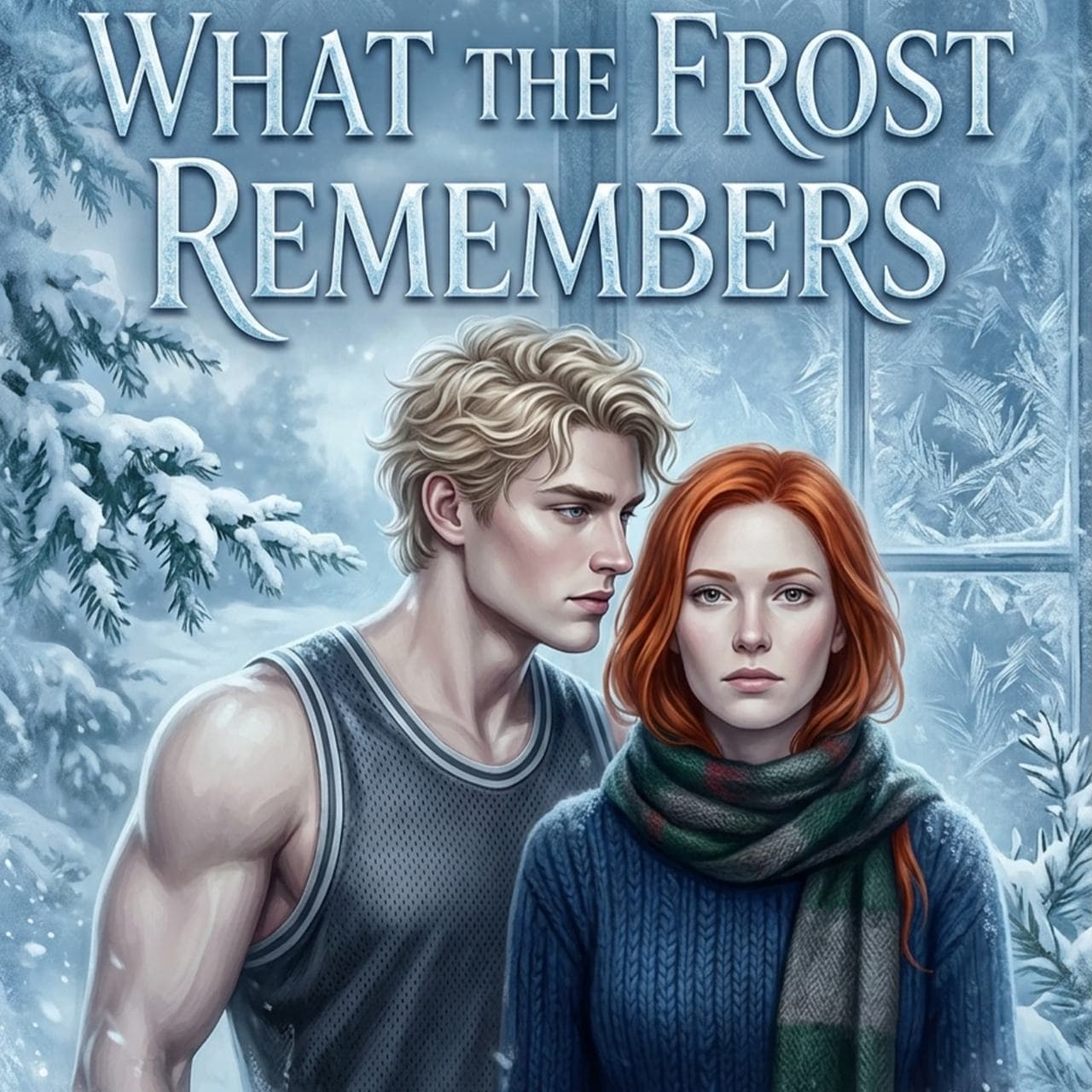

Some things are worth walking toward, even when every rational part of you is screaming to run the other way.
The heater in the front office of Glenfrost Primary rattled like it was as tired of winter as I was. I sat with my hands folded in my lap, my nails digging small crescents into my palms, and listened to Mrs. Abernathy explain, in the gentle-but-firm voice teachers reserve for parents they’ve already judged, that my six-year-old son had punched a classmate during morning break.
“Noah’s a good kid,” she said, and I could hear the but coming before she said it. “But he’s got a lot of anger for someone so small.”
I wanted to tell her that grief doesn’t check a child’s age before it moves in and rearranges the furniture of his heart. That Noah had never once heard his father’s laugh, Michael died before Noah was born, and yet somehow, even without a single memory to hang it on, my son had grown up carrying the exact shape of that absence. That some nights I still reached across the bed before I remembered there was nothing there to reach for.
Instead I said, “I’ll talk to him,” because that was easier than the truth, and because in Glenfrost, Otago, where the frost came in April and didn’t leave until October, everyone already had an opinion about the young widow Calloway and her fatherless boy.
I was thirty-four years old. I ran six kilometres most mornings before the sun cleared the ridge, taught spin classes at the community gym to pay the mortgage, and had dark red hair I kept scraped back because I didn’t have the patience for anything else. I did not, as a rule, have time to fall apart. Falling apart was a luxury for women whose children weren’t watching.
By the time the meeting ended, the light outside had gone the particular flat grey of a South Island afternoon deciding whether to snow. I said my goodbyes, gathered my coat, and started for the car park, and found the main corridor blocked by a phys-ed class filing out with mats and cones, forcing me toward the side door instead.
The side door let out onto the shared grounds between the primary school and Glenfrost University next door, one of those small-town arrangements where the college and the school split a caretaker, a canteen, and, unfortunately for me, an outdoor basketball court.
I hate basketball courts. I hate the particular violence of a ball in flight, the shouting, the way grown men, and grown boys pretending to be men, throw their whole bodies at each other over something so small. Michael used to play on Sunday mornings with his mates, and I used to sit at the edge of the court with my knees pulled to my chest, flinching every time the ball came near the sideline, while he laughed and told me I worried too much.
I didn’t tell anyone that the flinching had gotten worse since he died. It seemed like a strange thing to grieve, a fear of a ball, when I had so much larger to grieve.
I put my head down and walked fast along the edge of the court, past a scrimmage of college boys in muddy singlets, and told myself it would be over in ten seconds.
It was not over in ten seconds.
A shout went up, heads!, and I looked up at exactly the wrong moment to see a basketball, thrown hard and wild off a missed pass, arcing directly toward my face.
I didn’t have time to think. My whole body flinched, my arms coming up too late, my eyes squeezing shut on reflex, bracing for impact that never came.
When I opened my eyes, the ball was resting in one large hand, inches from my nose, as though it had simply decided to stop there and wait politely.
“Sorry,” said the hand’s owner. “That was Kepa’s fault, not mine.”