



The kitchen felt different after that.
Like the air had changed.
Like something invisible had finally been spoken aloud.
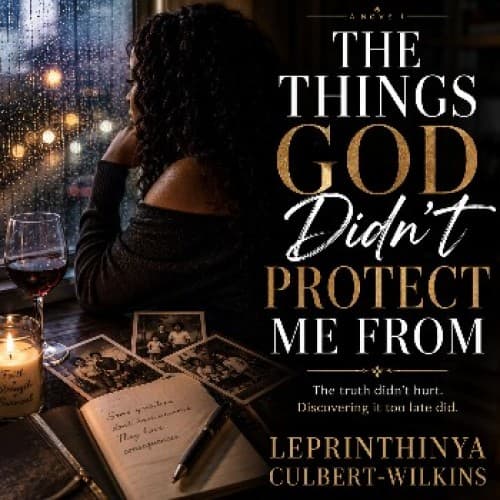
The woman sat quietly staring into her empty wine glass.
The friend hadn't touched hers.
Neither of them seemed interested anymore.
The conversation had sobered them both.
Outside, the clouds had begun to break apart.
Moonlight peeked through the darkness.
Inside, old wounds were finally finding words.
The friend was the first to speak.
"What do you mean?"
The woman looked up.
"What?"
"You said you think he knew you wouldn't tell."
The woman immediately looked away.
Because once words are spoken, they become harder to hide from.
She sighed.
"You ever notice how adults always tell kids to speak up?"
The friend nodded.
"Sure."
The woman laughed.
"But nobody tells them who to speak to when the person hurting them is somebody everybody loves."
The room fell silent.
The friend leaned back.
Because that was different.
That was a different kind of truth.
The woman continued.
"He wasn't some stranger hiding in the shadows."
"No."
"He wasn't some monster people were afraid of."
The woman looked toward the family pictures hanging in the hallway.
"He was the good guy."
The words tasted bitter.
"He was the one everybody trusted."
The friend lowered her eyes.
Because she understood exactly what that meant.
Some people wear evil on their faces.
Others wear charm.
The second kind is harder to recognize.
The woman laughed softly.
"You know what would've happened if I had said something back then?"
The friend didn't answer.
The woman did.
"Nobody would've believed me."
Silence.
Not because it wasn't true.
Because it probably was.
"He gave people money when they needed it."
The woman counted on her fingers.
"He helped family members."
"He showed up."
"He bought gifts."
"He made people laugh."
The friend nodded.
"He sounds like the kind of person everybody defended."
The woman pointed at her.
"Exactly."
The blues had started playing again.
A slow guitar drifted through the room.
The woman closed her eyes.
"I remember watching people talk about him."
The friend listened.
"They loved him."
A painful smile crossed her face.
"And the crazy thing is..."
She stopped.
The words caught.
The friend waited.
"And the crazy thing is..."
The woman looked toward the ceiling.
"I loved him too."
The confession settled into the room.
Heavy.
Complicated.
Honest.
The friend didn't react.
She knew better.
The woman laughed.
"There it is."
"What?"
"The part nobody understands."
The friend nodded slowly.
"Talk to me."
The woman took a deep breath.
"I loved him."
The words hurt.
More than she expected.
"I hated him."
Another breath.
"I missed him."
Another.
"I feared him."
The friend felt chills crawl across her arms.
Because that was the real story.
Not black.
Not white.
Not simple.
Messy.
Painful.
Human.
"Do you know how confusing that is for a child?"
The woman asked.
"To love somebody and fear them at the same time?"
The friend shook her head.
"No."
The woman nodded.
"Exactly."
The room fell quiet.
The woman stared at a family picture hanging on the wall.
A photograph frozen in time.
Everyone smiling.
Everyone happy.
Everyone unaware.
Or maybe not.
That thought still haunted her.
"You know what else bothers me?"
The friend sighed.
"I'm afraid to ask."
The woman smiled.
"Me too."
The friend laughed despite herself.
The woman looked back toward the window.
"If the DNA is right..."
The room grew still.
"If the DNA is right, then everything changes."
The friend nodded.
"How?"
The woman swallowed.
Hard.
Because she hated the question.
Hated the answer even more.
"Because then he wasn't just a man who hurt me."
The friend immediately understood.
The words hung between them.
Neither woman touched them.
Finally the friend whispered:
"He would've been your father."
The woman's eyes filled instantly.
The sentence felt different hearing somebody else say it.
More real.
More dangerous.
More heartbreaking.
She nodded.
Slowly.
Painfully.
The friend stared at the table.
For the first time all night, she didn't know what to say.
What do you say to that?
What comfort exists for that?
The woman wiped her face.
Then laughed through the tears.
"You know what's crazy?"
"What?"
The woman shook her head.
"For years I prayed he wasn't."
The friend frowned.
"What do you mean?"
The woman stared into the darkness.
"I prayed he wasn't my father."
Silence.
"Every chance I got."
The friend listened.
"Because if he was..."
The woman stopped.
Her chest tightened.
Her throat burned.
Her heart ached.
"If he was, then I had to face something I didn't want to face."
The friend nodded.
The woman continued.
"That fathers aren't supposed to do those things."
The words came out broken.
Raw.
Real.
The friend looked away.
The pain in the room had become almost physical.
The woman laughed bitterly.
"Funny thing is..."
"What?"
The woman looked up.
"For years I prayed he wasn't my father."
Another tear slid down her cheek.
"And now I cry because he might've been."
Neither woman spoke.
Because there was nothing left to say.
Not yet.
The blues singer reached the chorus.
Outside, the moon slipped through the clouds.
Inside, the woman stared at the family pictures lining her hallway.
Pictures filled with smiles.
Pictures filled with memories.
Pictures filled with people who could no longer answer questions.
And for the first time that night, she wasn't angry.
She was grieving.
Not just the man.
Not just her childhood.
Not just the truth.
She was grieving the possibility that she would never know which parts of her story were real.
The friend finally broke the silence.
"What do you want more than anything?"
The woman answered immediately.
No hesitation.
No thinking.
No pretending.
"One honest conversation."
"With him?"
The woman shook her head.
"No."
The answer surprised even her.
"With my mother."
The room fell silent.
And somewhere deep inside, a question she'd been carrying for years whispered once more:
Did you know?