


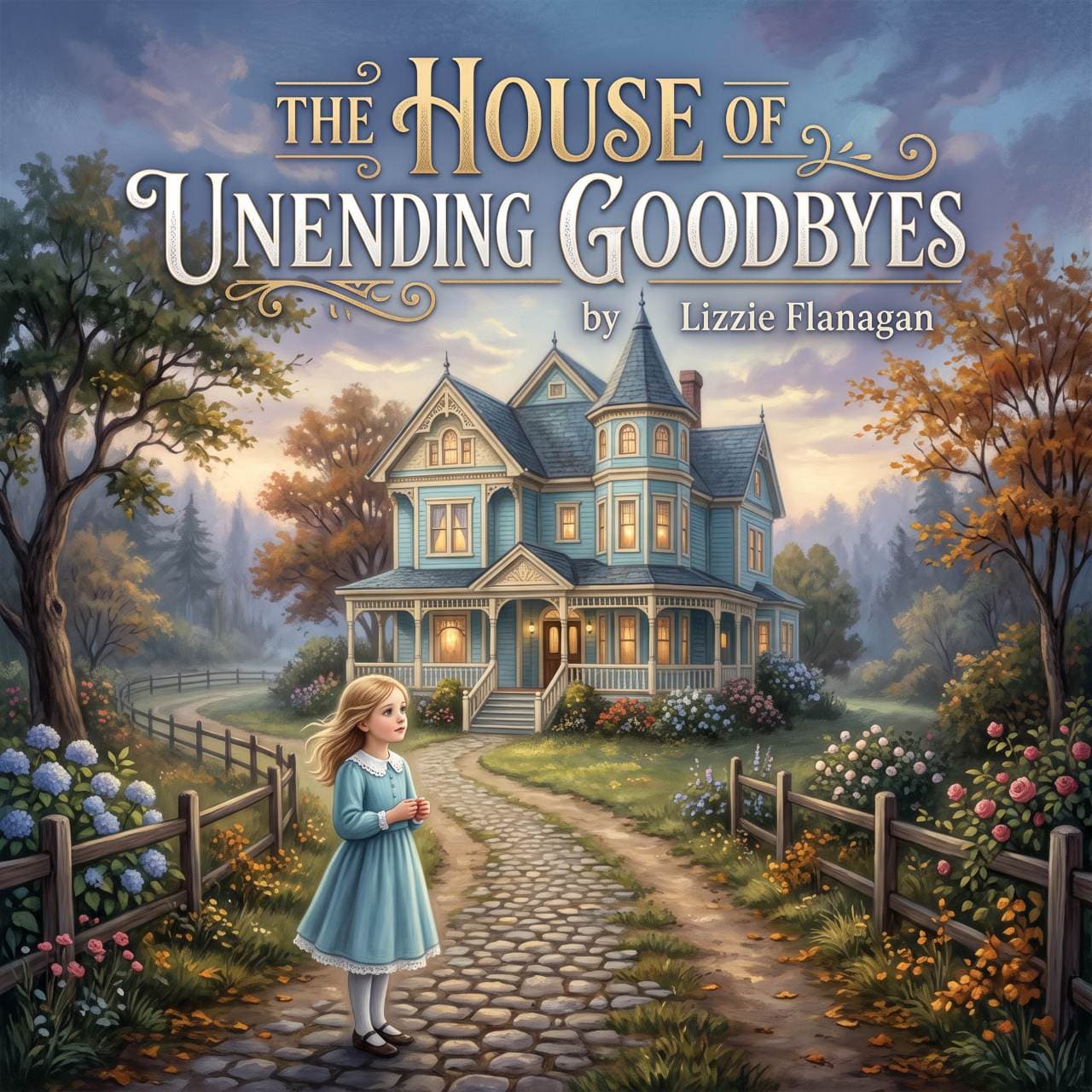

In 1955, a child arrived from a tradition that Irene had never encountered.
His name was Thomas, though he asked to be called by his spirit name, which was Flying Hawk. He was twelve years old, a member of the Navajo Nation, who had died of tuberculosis in a government boarding school in Arizona.
He came to the meadow angry, like Yusuf, but his anger was different. It was the anger of a people who had been dispossessed, who had been forced from their land, who had been told that their traditions were savage and their beliefs were false.
"I am not supposed to be here," Flying Hawk said, when Irene approached him. "I am supposed to be with my ancestors. I am supposed to walk the path of the dead to the underworld. I am supposed to be in the place of my people. Not in this... this white person's house."
Irene didn't know how to respond. She had dealt with children from every continent, every faith, but she had never encountered someone whose cultural identity was so tied to the land itself, to a specific place that had been taken from him.
"I don't know why you're here," Irene said honestly. "I don't know how the house chooses who to collect. But I know that it tries to be a home for everyone. It tries to become what you need it to be."
"I need to be home," Flying Hawk said. "I need to be in the land of my ancestors. I need to be where the spirits of my grandfathers can find me."
"Maybe," Irene said, "the house can become that. If you let it. If you teach it what you need."
Flying Hawk looked at her with suspicion, but also with hope. He allowed her to lead him to the house, and when he saw it, he stopped.
"It is blue," he said. "Like the sky. Like the morning. Like the color of peace."
"It becomes what you need," Irene said again.
Flying Hawk closed his eyes. He prayed in his language, a language he had been beaten for speaking in school, a language he had almost forgotten. He prayed to the Holy People, to the ancestors, to the land itself.
When he opened his eyes, the house had changed.
It was no longer a Victorian mansion. It was a hogan, a traditional Navajo dwelling, round and earth-covered, with a smokehole in the center of the roof. The blue remained, but it was the blue of the sky visible through the smokehole, the blue of the morning, the blue of peace.
Flying Hawk wept. He entered the hogan and found it filled with the objects of his culture: blankets woven by his grandmother, pottery made by his mother, tools carved by his father. He found sand paintings on the walls, depicting the stories of his people, the creation myths, the journey of the soul.
He was home.
But he was also still waiting. For his parents, who had died in the 1960s, their hearts broken by the loss of their son and the destruction of their way of life. For his siblings, who had survived, assimilated, lost their connection to the traditions. For the land itself, which he could feel in the hogan, the spirit of the desert, the mountains, the sky.
Irene learned from him. She learned about the beauty way, the path of harmony and balance. She learned that death was not an ending but a continuation of the journey, that the soul traveled to the underworld to be with the ancestors, but that love remained, connecting the living and the dead.
And when Flying Hawk's parents finally came in 1990, they found their son in the hogan, whole and happy, surrounded by the traditions they had been forced to abandon but had never forgotten.
"We tried to find you," his mother said, weeping. "We searched. We prayed. We hired lawyers to find out what happened to your body. We never knew."
"I am here," Flying Hawk said. "I have been here. I have kept our traditions alive. I have waited for you."
They stayed in the hogan for years, reconnecting, remembering, healing the wounds of separation and assimilation. And when they finally walked down the path, they walked as Navajo, as Dine, as a family restored to wholeness.