


Growing up, I sketched a life like a blueprint: education that fed my curiosity, leaving behind the small-town girl label, and stepping into the city's electric chaos - the highs that glittered, the lows that taught me to stand. I carried with me the weapons my parents pressed into my palms: grit, an unshakable composure, a hunger for knowledge, humility that kept me human, and a ruthless devotion to getting better.
These were not luxuries bought with money; they were lessons hammered into me at the kitchen table and taught in the hush of late-night study sessions.
Yes, our name sat easily in the town by the sea. Yes, there were whispers - the kind that taste like salt and small jealousy - that assumed money made everything effortless for me. Let them whisper.
Money can buy comfort, a roof that doesn't leak, a suitcase that opens with ease. It cannot buy the discipline of waking up before dawn to read, the shame-less insistence to outlearn everyone in the room, or the stubbornness to keep moving when the elevator doors close on you.
It did not teach me how to fail and get up again. That was my inheritance too, but quieter: the ethic that shaped my bones and the dignity that taught me to earn, not be handed, my place.
Teachers, a few blunt friends, the mentors who refused to flatter me, and the humbling crush of the city's finance world - they were the crucible. I fought for my seat at tables that once felt closed. I climbed through suits, jargon, and boardroom storms until I was not only surviving in the country's financial capital, I was thriving.
Every decision across thirty years - every pivot, every sleepless night, every strategic "no" - was part of that blueprint I had drawn in adolescence. I thought I had built a fortress.
Then he arrived like weather. He did not respect the scaffolding of my life; he walked through it. He was not an addition - he became a takeover. He swept me up with a careless, violent tenderness: the kind that makes your breath short and your judgment blur.
For a moment I was intoxicated with the idea of forever, with the dangerous mercy of someone else's certainty. I let myself believe that the person who loved me would share the ledger of my dreams.
And when the ledger burned, everything I had ever stood for felt interrogated in the ruins. Those carefully placed stones - the work, the principles, the reputation - were treated like cheap trinkets by the very person I opened my gates to.
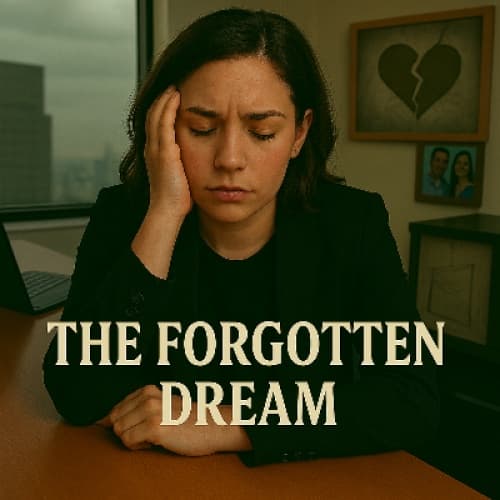
It wasn't a single betrayal; it was a dismantling, methodical and intimate. He killed me softly: not with a shout but with small cruelties, with steady erosion. He took pieces - trust first, then ease, then the will to be kept whole - until I found myself limping through my own life, stunned, unable to recognize the compass that once pointed true north.
How does a woman who has fought to be more than the sum of her origins reconcile that ruin? How does she honor the lineage that taught her to rise while tending the raw wound someone else left?
I understand now the difference between being privileged and being prepared. Privilege may open a door - preparation is what gets you through a war. He took the door and left me in the mud beyond it.
So here I stand, ragged and incandescent: grateful for the moral engine that powered me this long, furious at the betrayal, and trembling at the question that neighbors every survivor - can I build again? Will the things drilled into me since childhood be enough to mend a heart that's been used as a battleground? I do not have answers, only the terrible, stubborn knowledge that I was made to endure. My past taught me how to fight; my present is teaching me how to survive the silence after the storm.
If I lost much, I also retained the one thing money never granted: the capacity to choose. He may have ripped me apart, but he did not write the final pages. The rest is mine to draft - messy, honest, and ferocious.